




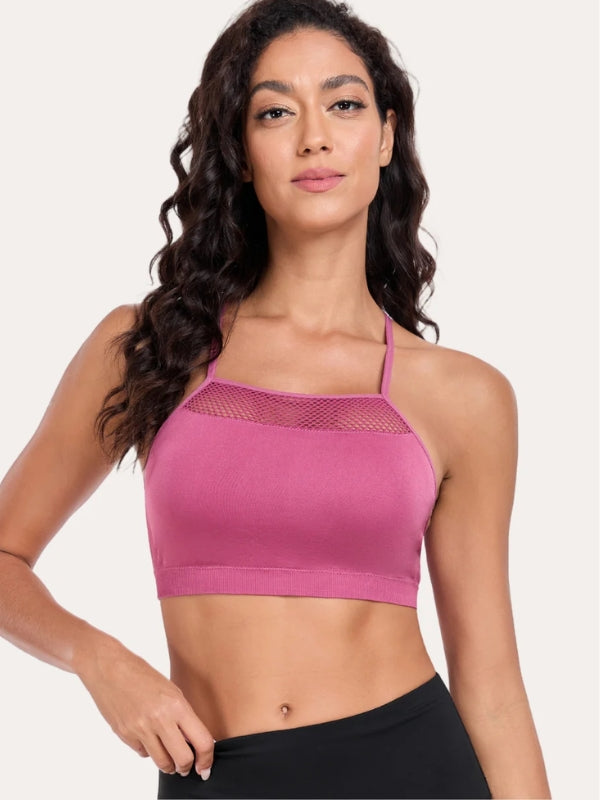
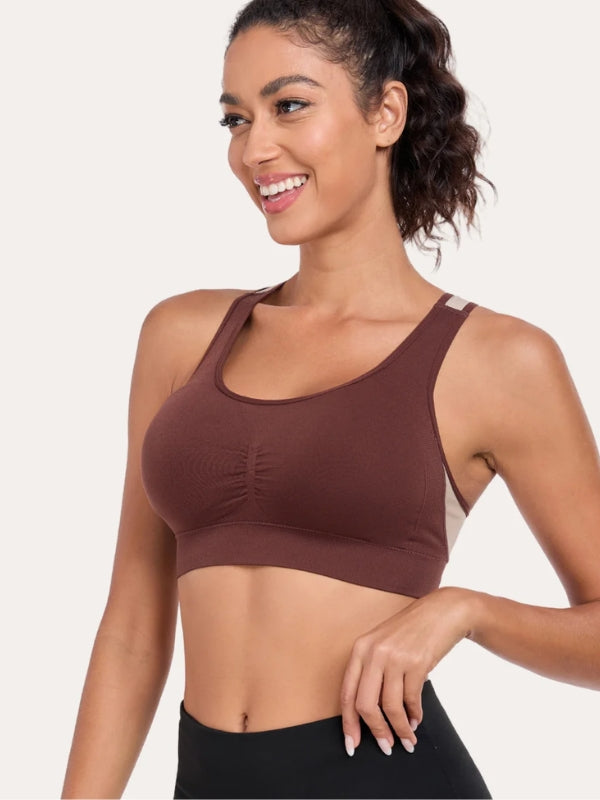


For years, the assumption felt like common sense: no wire, no support. If you wanted your bra to actually hold you in place, you needed the metal. Everything else was just for lounging around the house.
That assumption doesn't hold up anymore, and if you've been putting off the switch because you're worried about losing shape or lift, it's worth understanding what's actually changed.
Why the "no wire, no support" idea stuck around
Underwire earned its reputation honestly. A rigid frame under each cup does create a defined shape, and for a long time, soft-cup alternatives simply weren't built to compete. Early wireless styles leaned all-in on comfort and left support as an afterthought.
But that's an old story. The real question isn't whether a bra has wire. It's how the rest of the construction is doing the work instead.
What actually holds you in place
Support in a wireless bra comes from three places working together, not from any single feature.
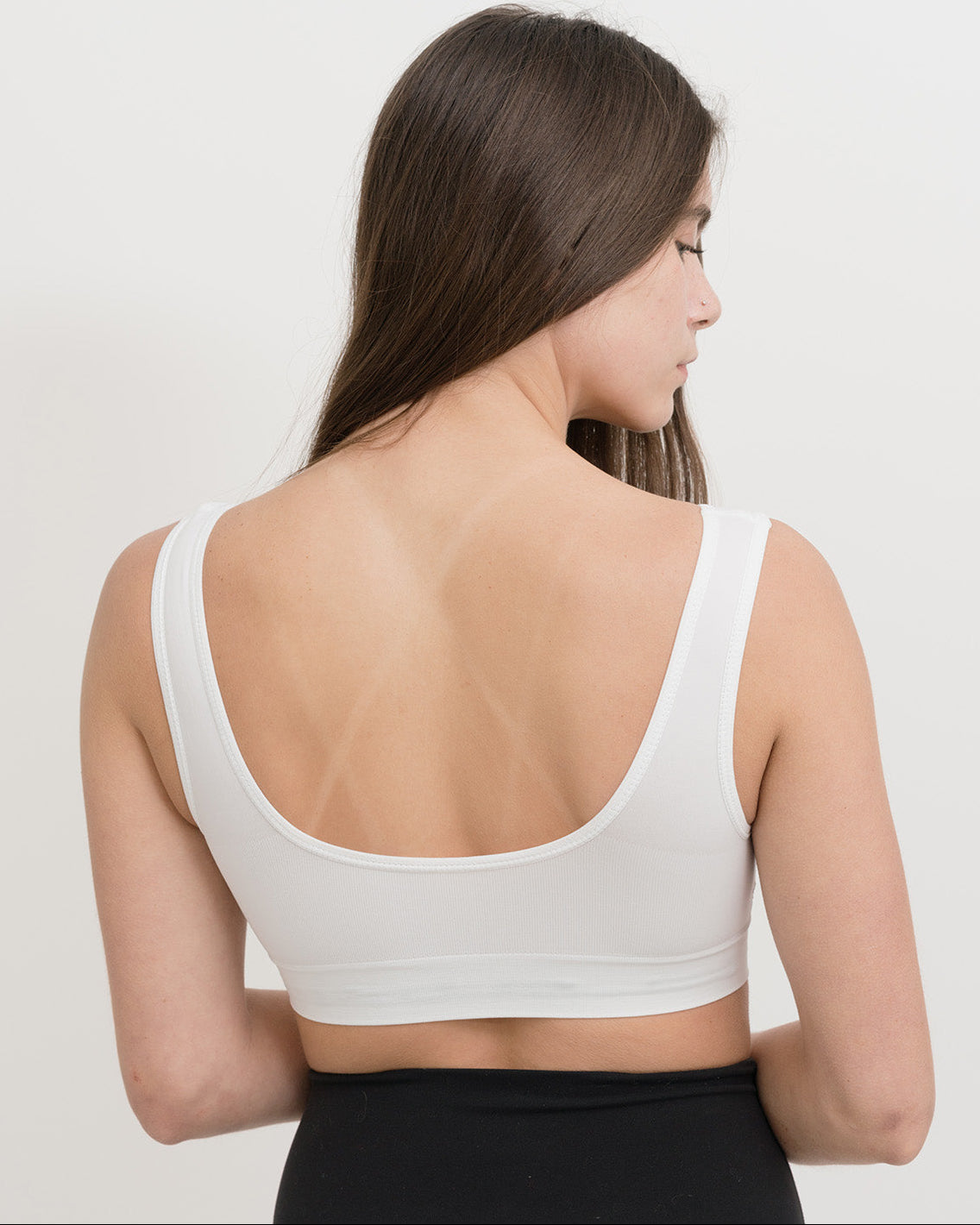
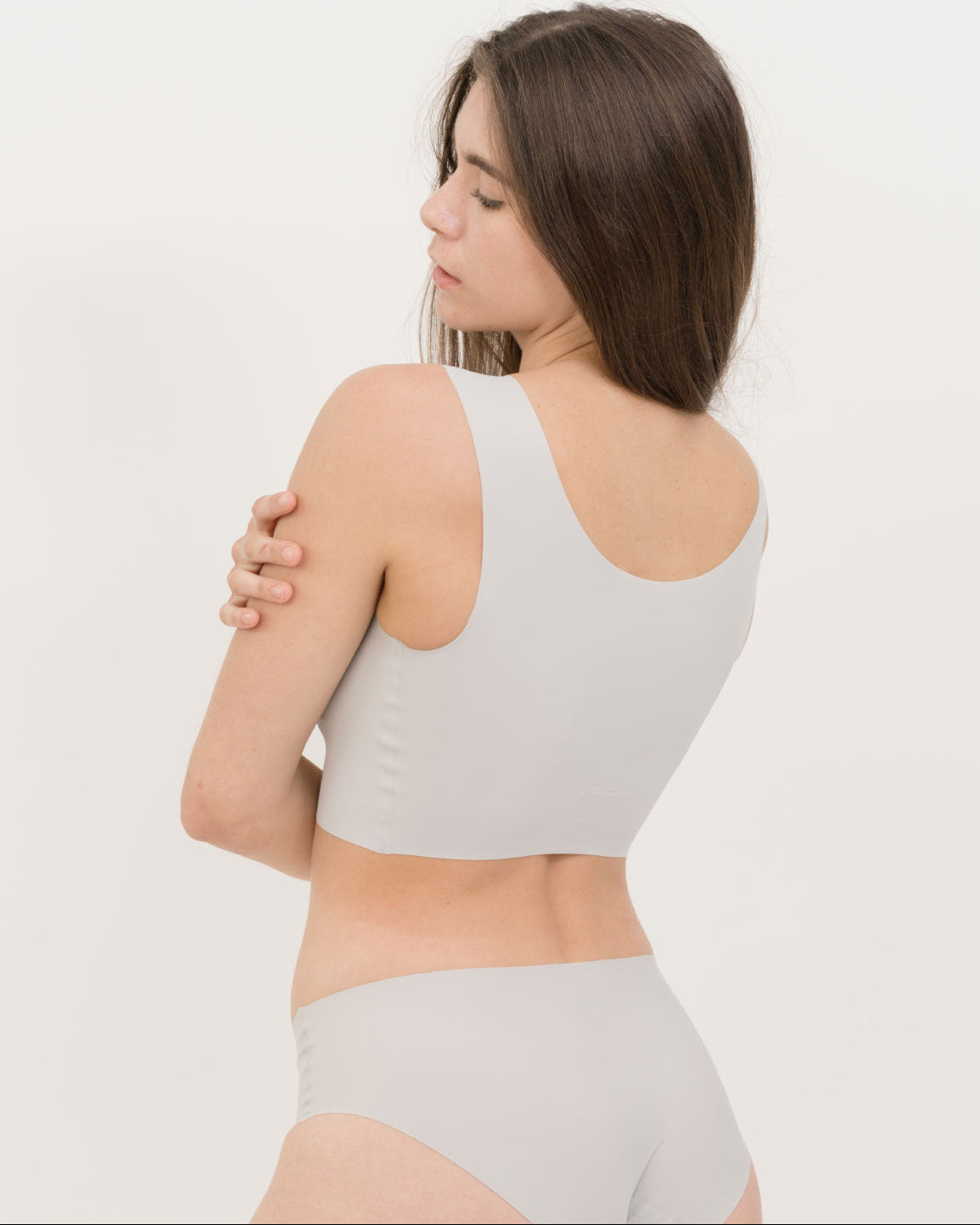
The band carries most of the load. A well-fitted band sits snug around your ribcage and does the bulk of the lifting, wire or no wire. This is why fit matters more than the wire question ever did.
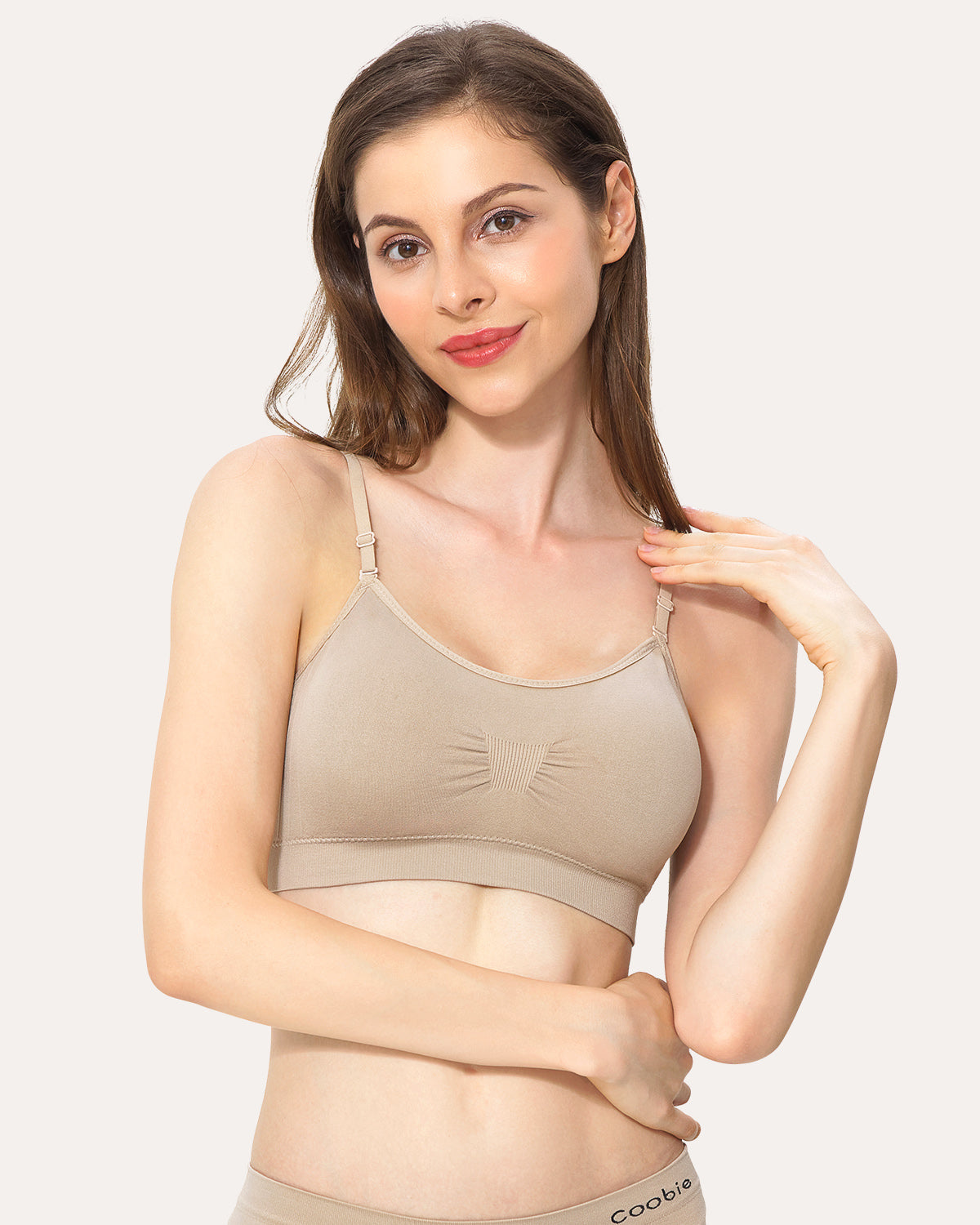
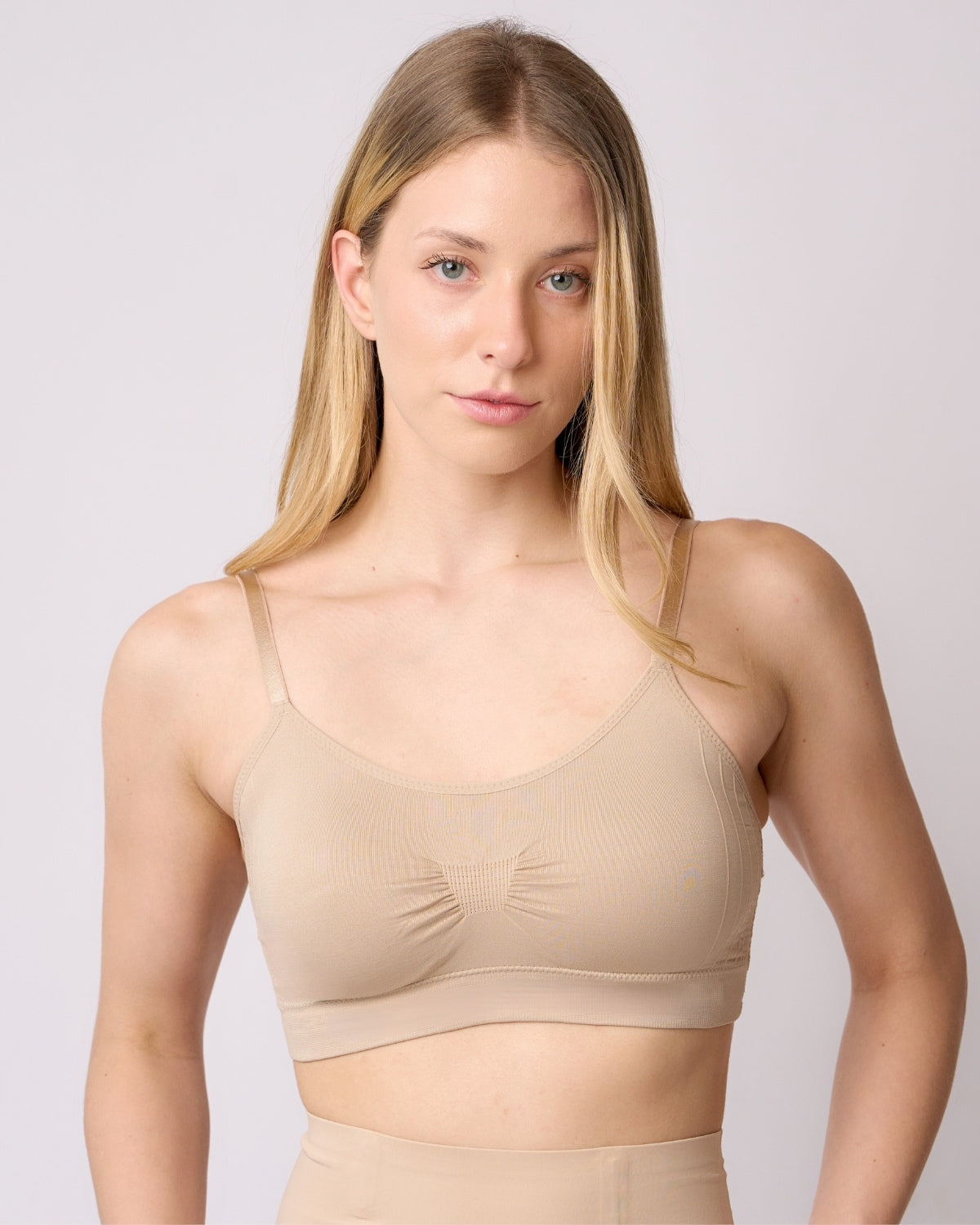
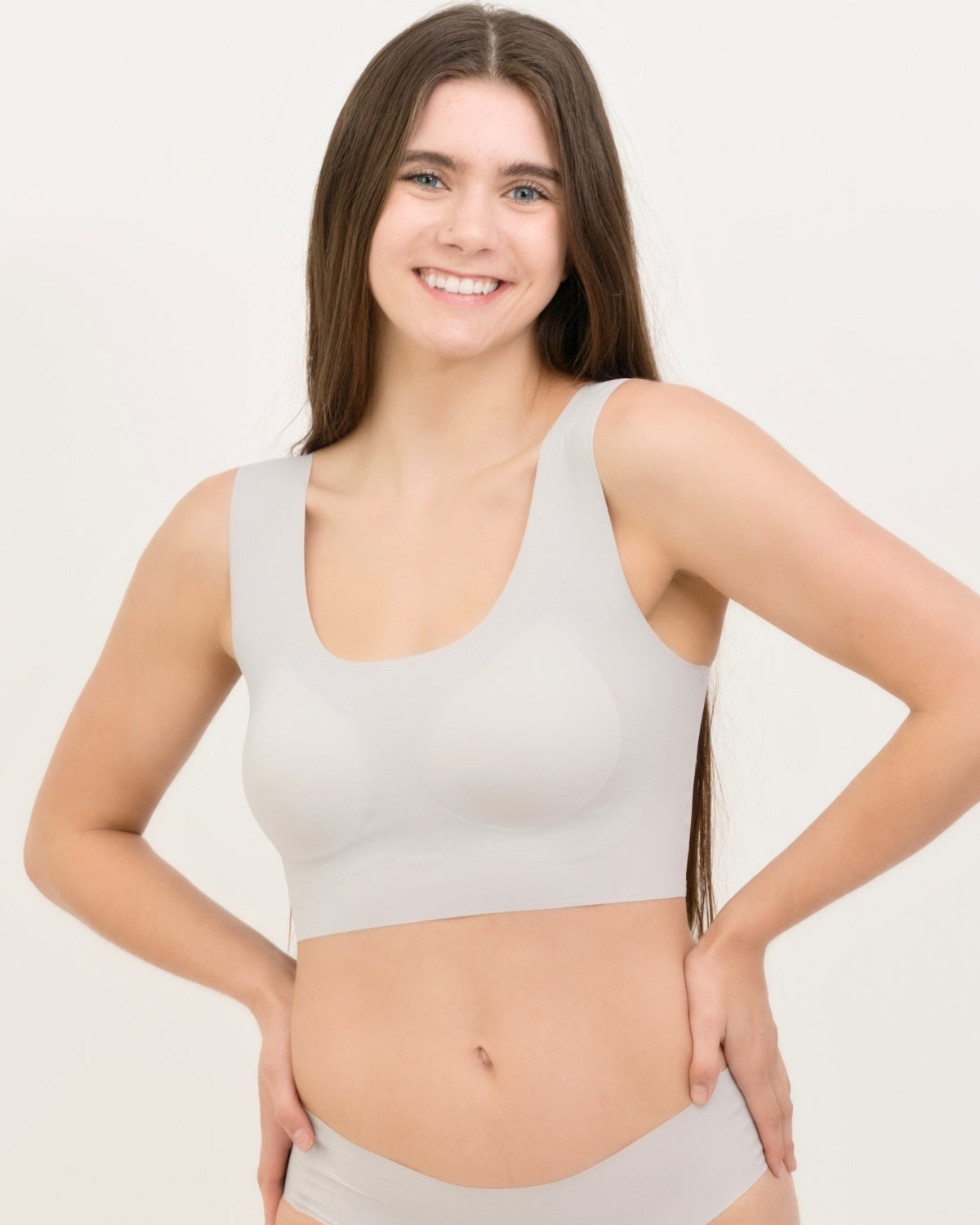
The cup construction matters just as much. Coobie's seamless bras use molded, double-layered cups that hold their shape on their own, so there's structure built into the fabric itself rather than relying on a wire to force it. That's also part of why they hold up wash after wash without going shapeless.
The stitching does quiet work too. Coobie bras are double-stitched at the straps, so they don't stretch out or dig in the way a single-stitched strap can once a bra's been worn a few dozen times.
Put those three together, and you get a bra that holds its shape through a full day without a single piece of metal.

What you actually gain by going wireless
The support conversation tends to overshadow the other half of the story, which is what you get back once the wire is gone.
No more digging along the ribs by hour six. No more red pressure marks when you finally take it off at night. No more adjusting through a shirt because something's poking where it shouldn't. For anyone with sensitive skin , or anyone who's had surgery and needs a bra that won't press against a healing area, this isn't a minor comfort upgrade. It's the difference between a bra you tolerate and one you forget you're wearing.
If you're making the switch, here's what to actually look for
Not every wireless bra is built the same way, so the switch works best when you know what to check for.
Look for a snug band , not a loose one. If the band rides up in the back or feels loose, you'll lose support no matter how good the cups are.
Check how the cups are constructed. Molded, separated cups (like Coobie's signature seamless design) will hold shape and keep you feeling supported. Cups that are just soft fabric with no structure will feel more like a soft top than a bra.
Pay attention to the straps. Wide, adjustable straps distribute weight better across your shoulders, especially if you're fuller-busted.
Give it more than one wear. Wireless bras often feel different from underwire the first time you put one on, simply because you're used to the wire "telling" you it's there. Most people need a few wears to notice the support is real, it just feels different.













Leave a comment
This site is protected by hCaptcha and the hCaptcha Privacy Policy and Terms of Service apply.