



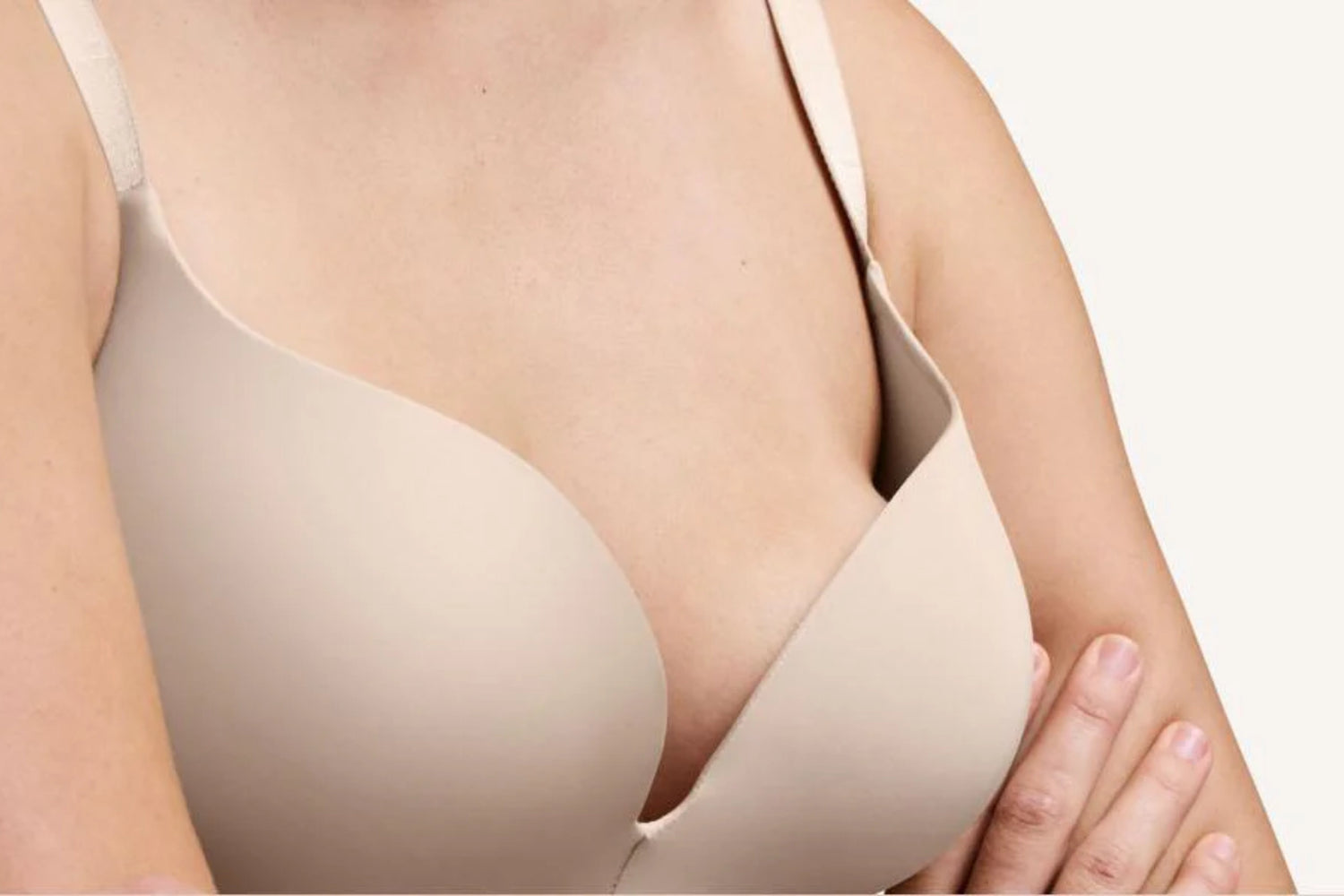
If you’ve ever noticed a gap along the top edge of your bra cup, you’re far from alone—and it’s not a sign that your body needs fixing. In most cases, gaping is simply the result of a mismatch between how a bra is constructed and how your body is shaped. Understanding what’s really going on can make bra shopping feel a lot less frustrating.
When Cup Depth Doesn’t Match Your Shape
One of the most common reasons bras gape at the top has to do with cup depth. Some bras are designed with a relatively shallow shape, offering limited room from the base of the cup outward. If your breasts naturally need more forward space, your tissue pushes against the cup from the inside. The band keeps the bottom anchored, but the top edge is forced away from your chest, creating that familiar floating or flaring effect. This often leads people to think the cup is too big, when in reality the shape is simply wrong.
Why Molded T-Shirt Bras Gap So Often
This issue shows up especially often with molded T-shirt bras. These bras are made to hold a smooth, predefined form, whether or not that shape matches your body. Instead of adapting to you, the foam expects your breasts to adapt to it. If your natural contours differ—even slightly—the cup can’t sit flush, and the gap usually appears along the neckline. For people with projected breasts, center fullness, or softer tissue, this rigidity makes molded cups one of the hardest styles to fit.
How Band and Strap Fit Can Make Gaping Worse
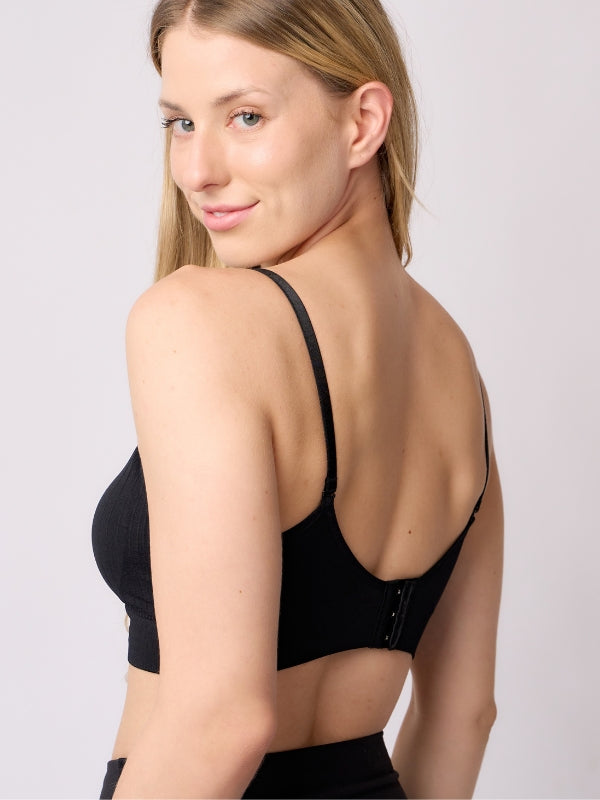
Band fit plays a quiet but important role in how a bra sits. When the band is too loose, it doesn’t have enough tension to stay upright against your torso, allowing the entire bra to tip forward and exaggerate space at the top of the cups. Many people then try to compensate by tightening the straps, but that often backfires. Overly tight straps pull the cups upward and outward instead of letting them rest naturally, which can make gaping more noticeable rather than less.
The Role of Cup Height and Neckline Shape
Even when the overall cup volume is correct, cup height can still cause problems. If the neckline is cut higher than your natural breast root, the top edge may never sit smoothly against your body. This is especially common for those with shorter roots or softer tissue that doesn’t naturally fill the upper portion of the cup. In these cases, the bra isn’t too big—it’s simply too rigid or too tall at the neckline.
Why Flexible Construction Makes a Difference
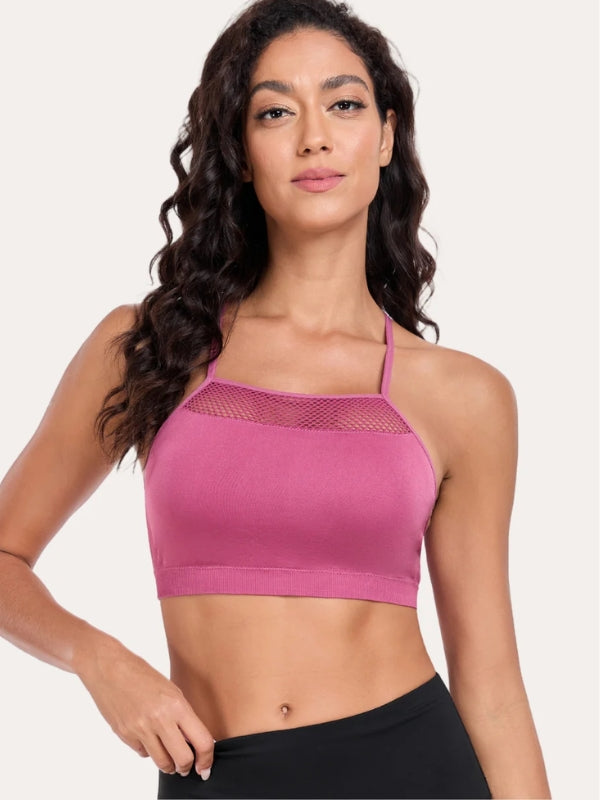
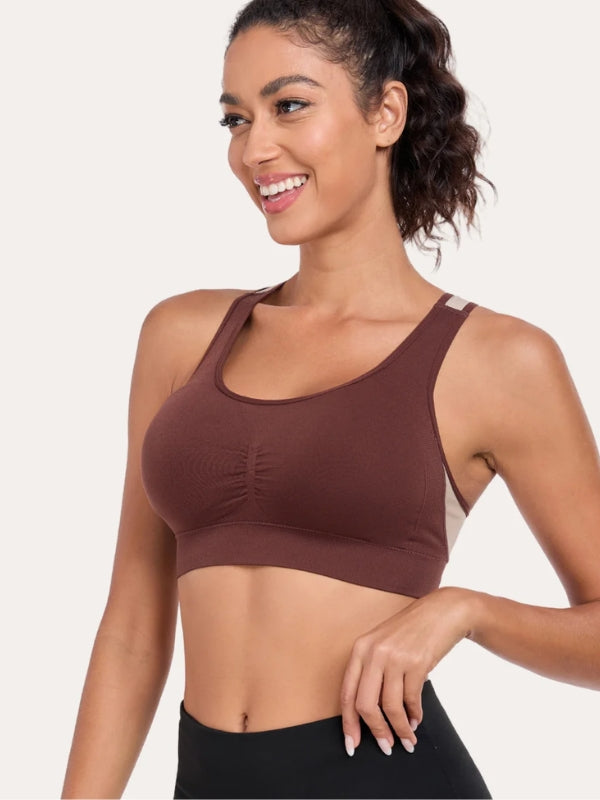
Bras with more flexible construction tend to handle shape differences far better than rigid foam styles. Designs that use seams, stretch fabrics, or elasticated edges are able to move with your body and gently follow your natural lines. Instead of hovering above the breast, the neckline adjusts throughout the day, accommodating movement and subtle asymmetry.

A More Comfortable Approach to Fit
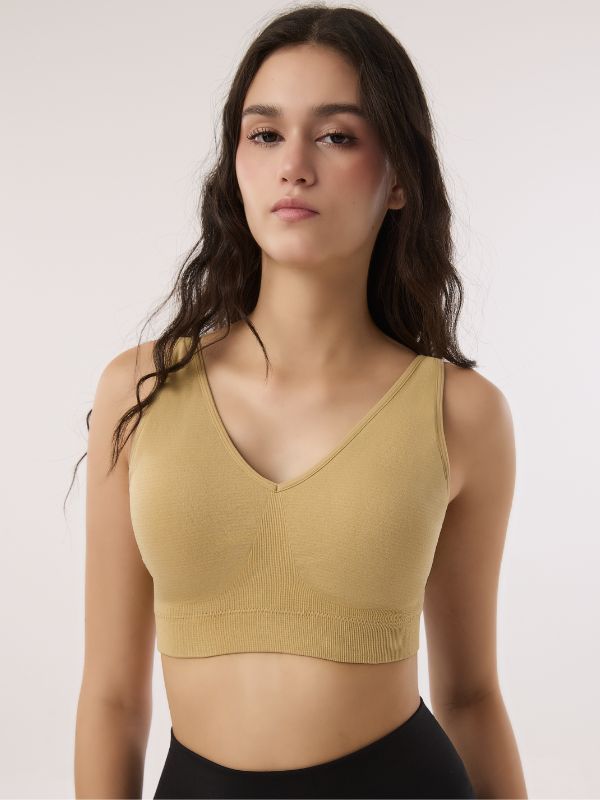
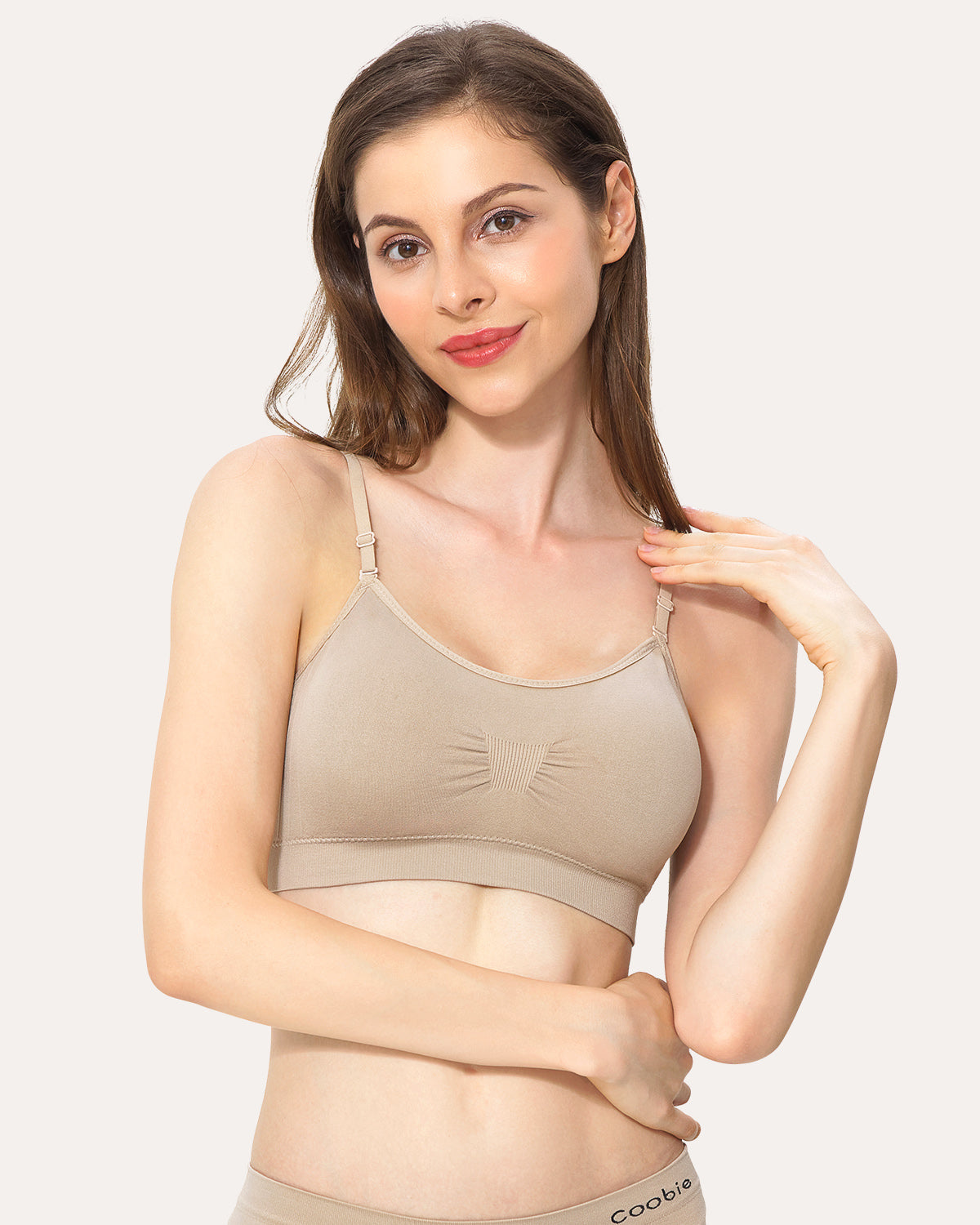
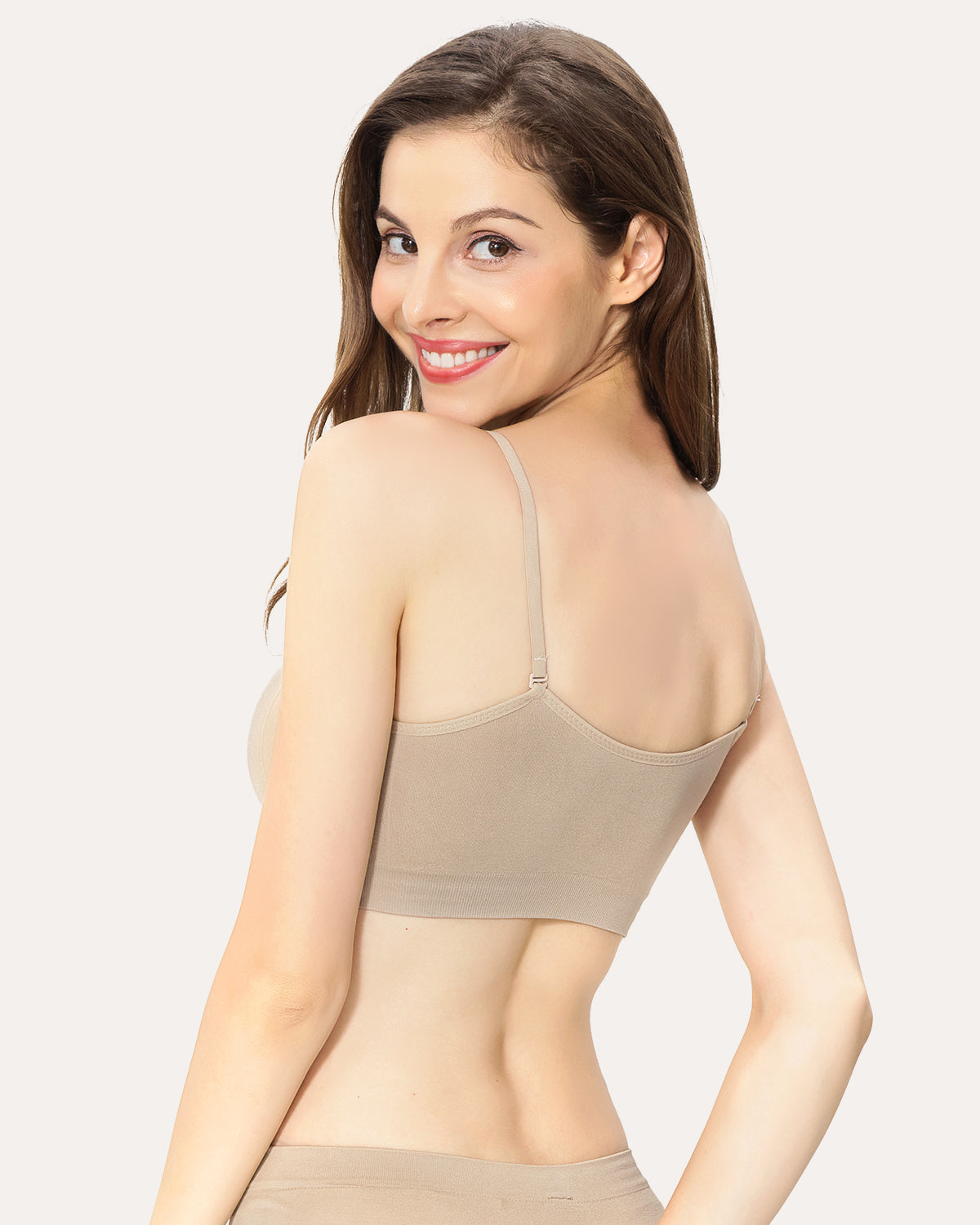
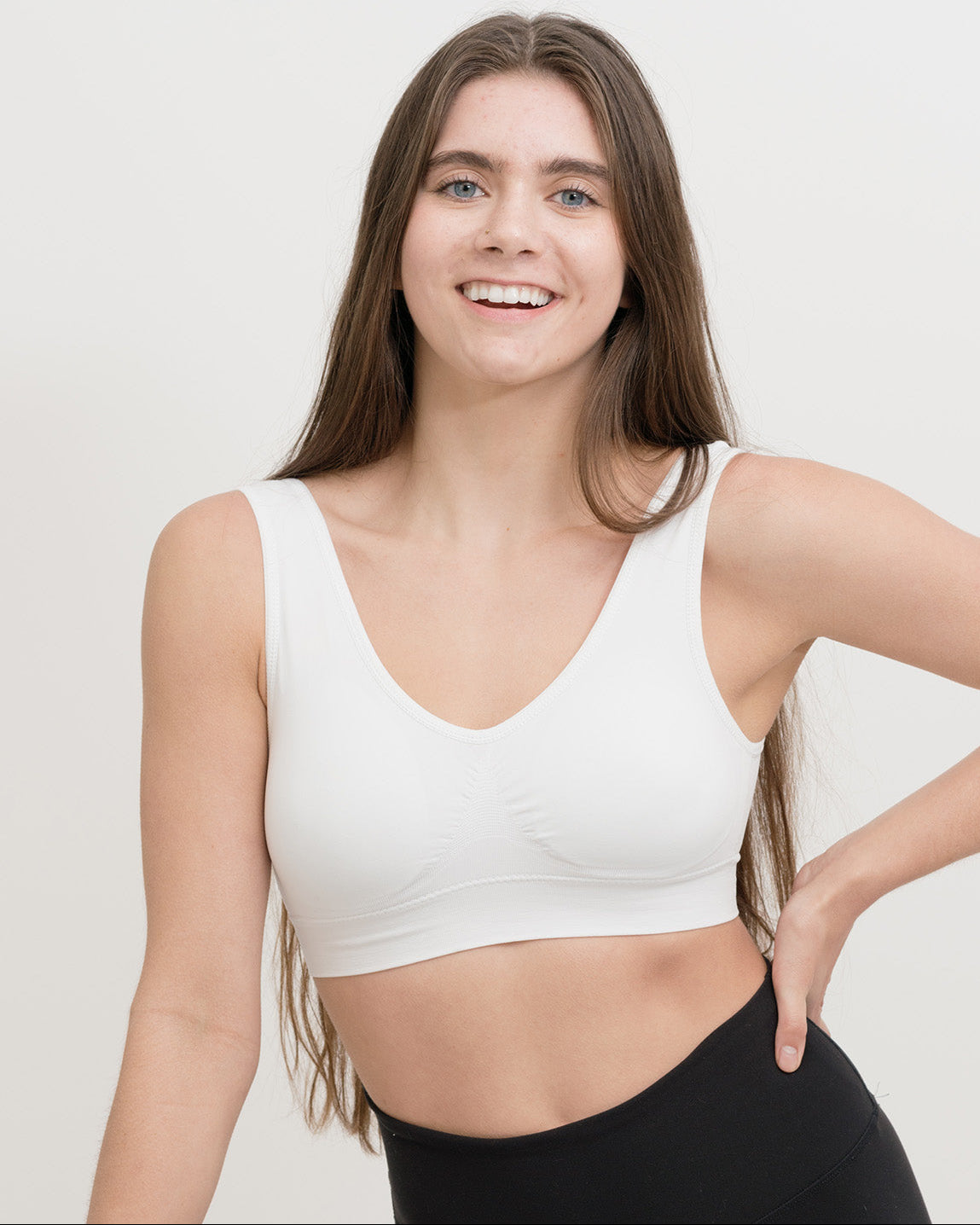
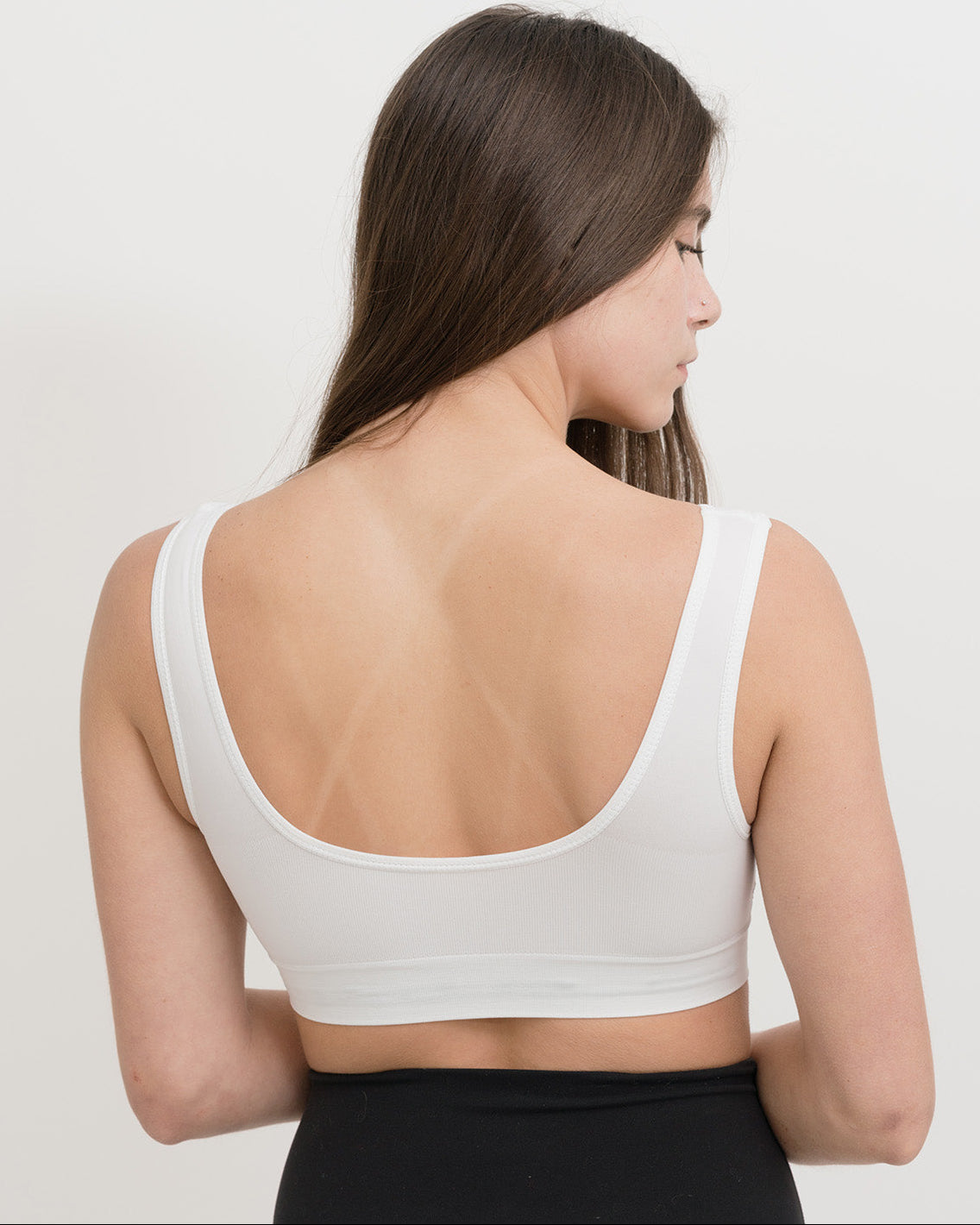
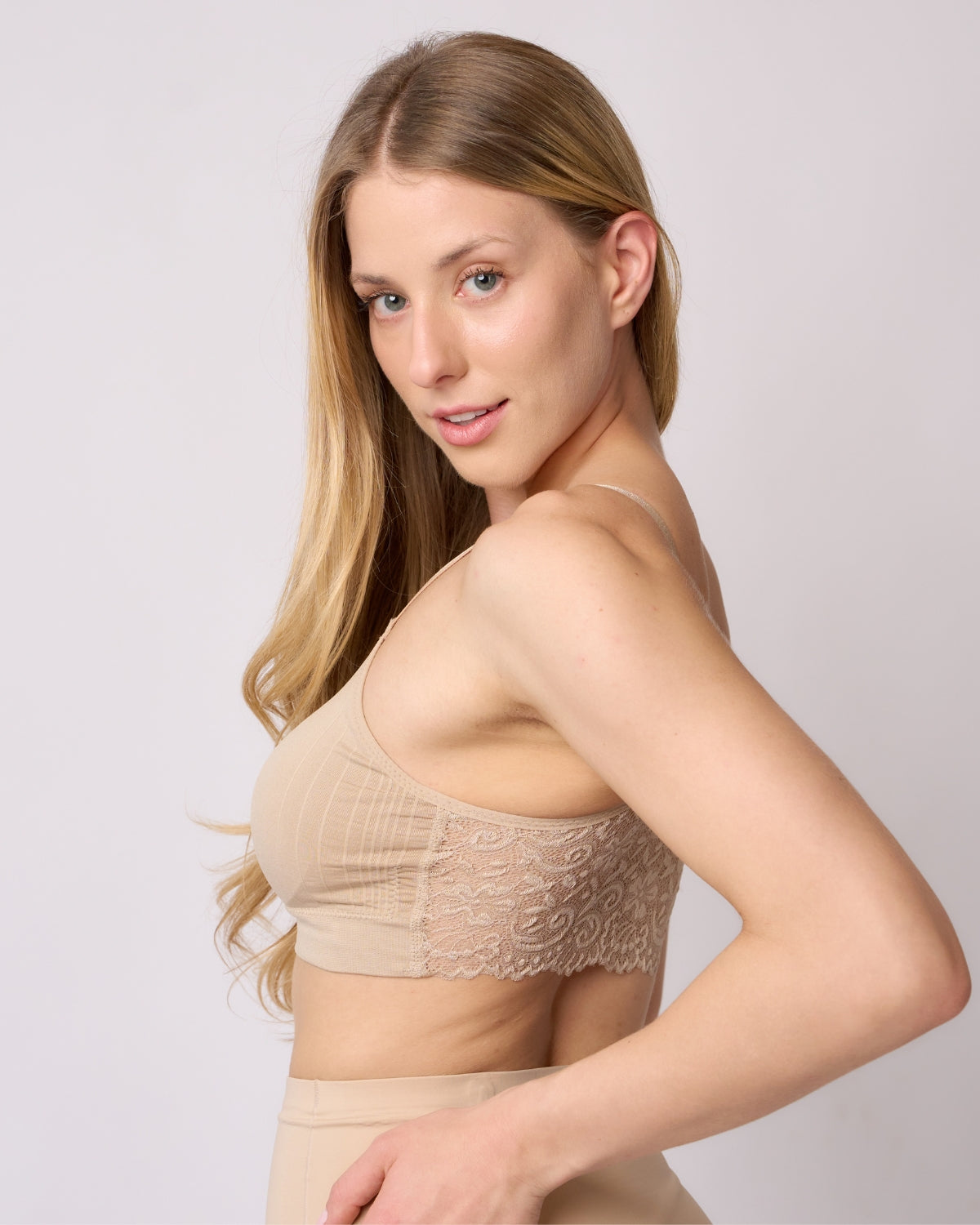
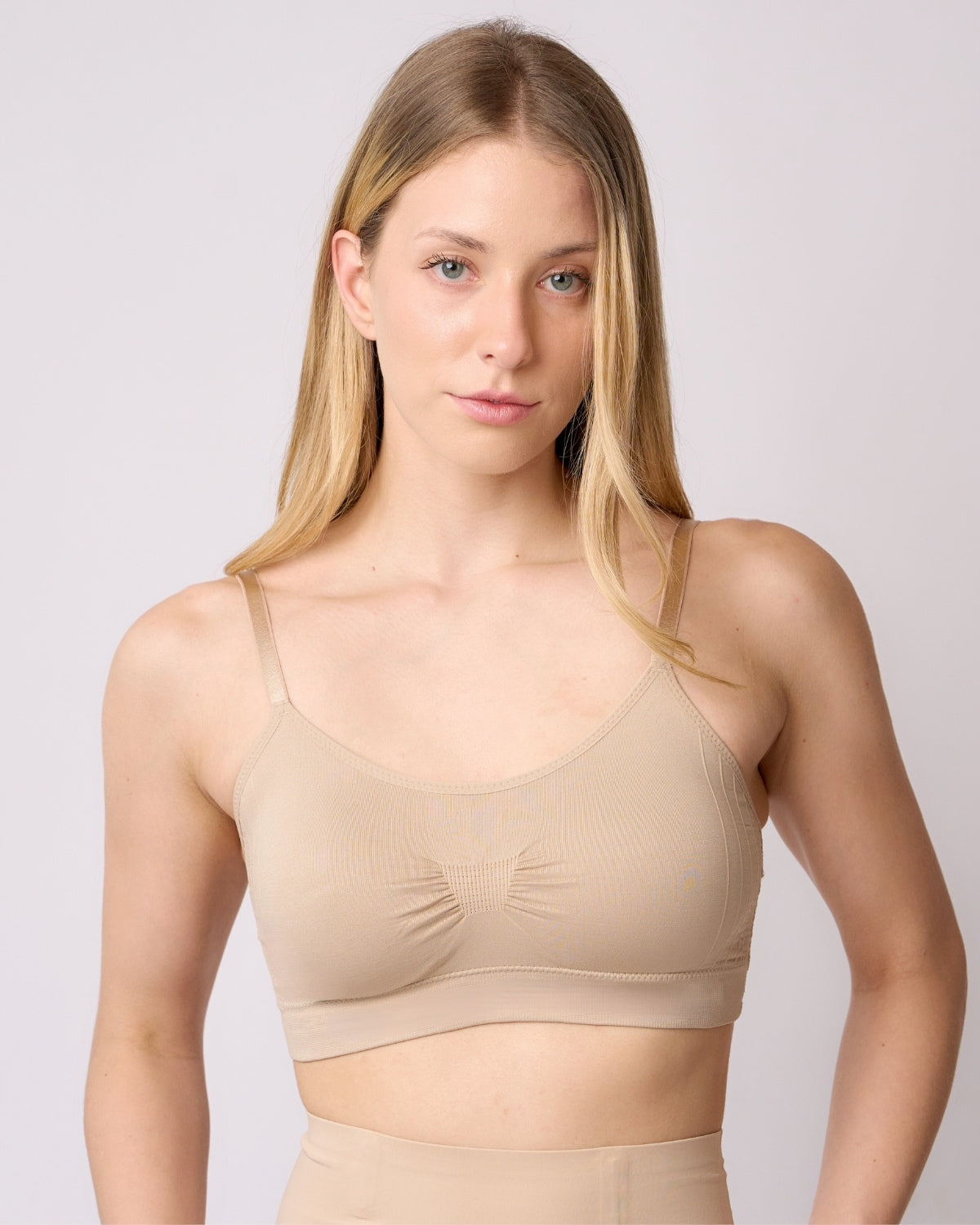
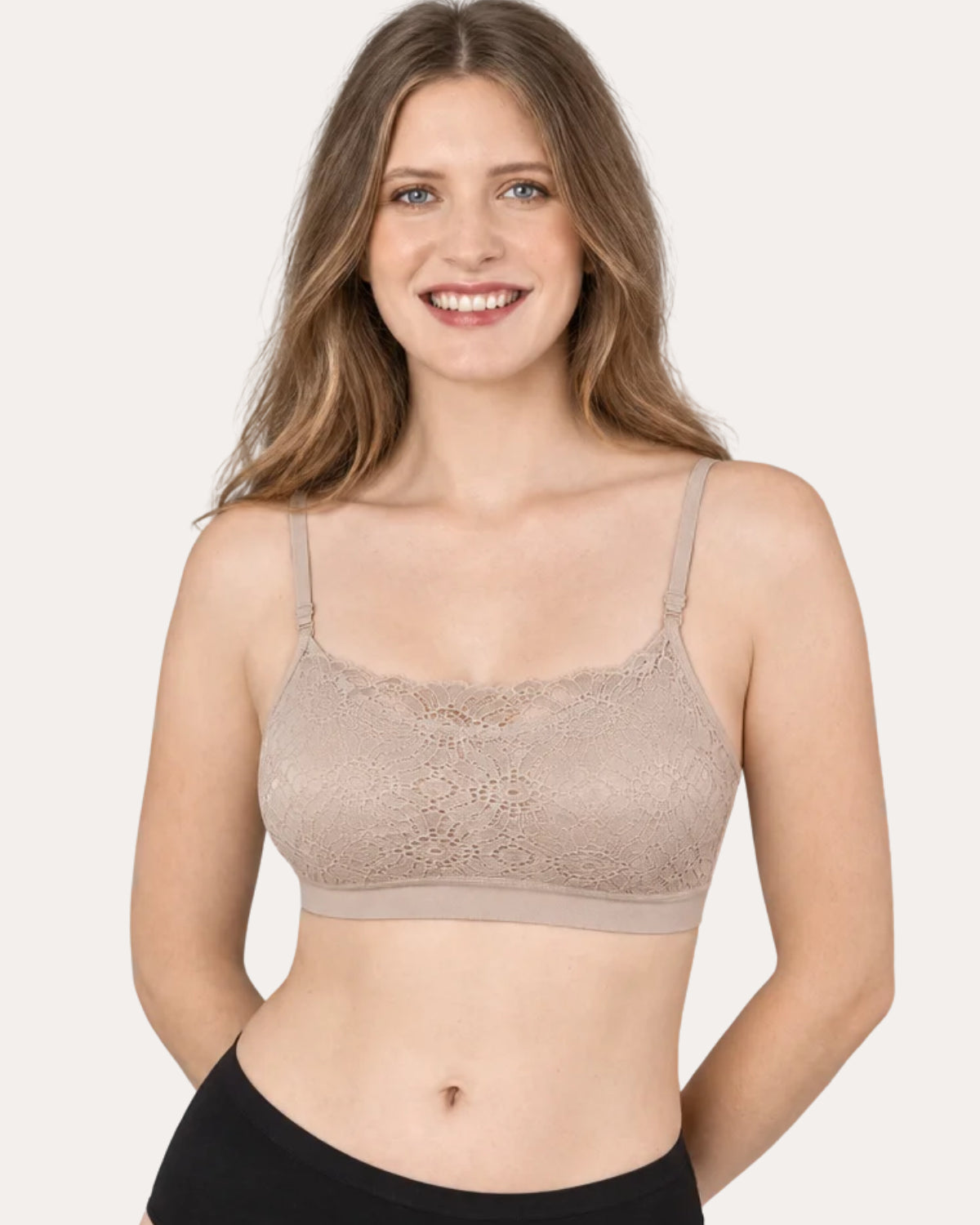
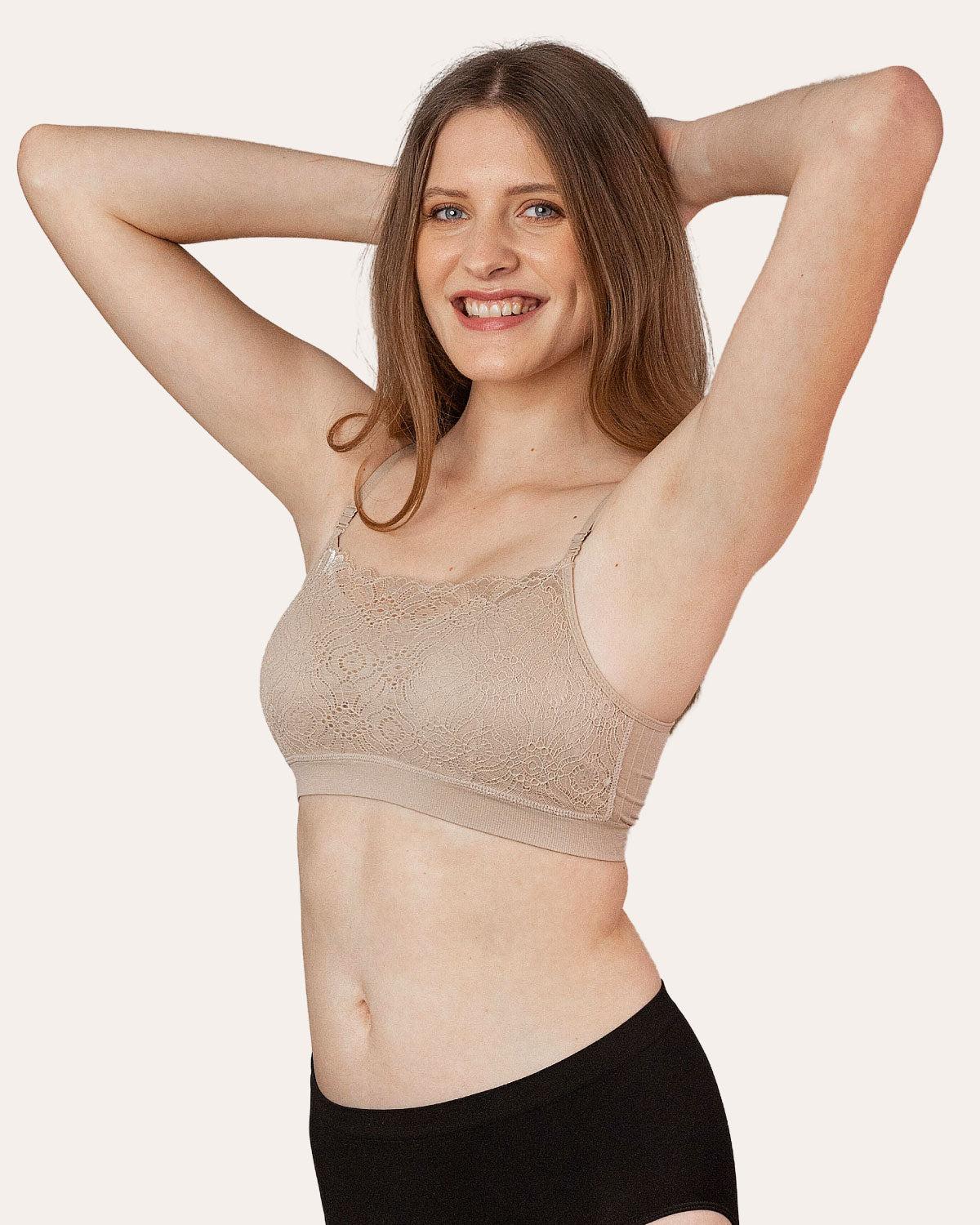
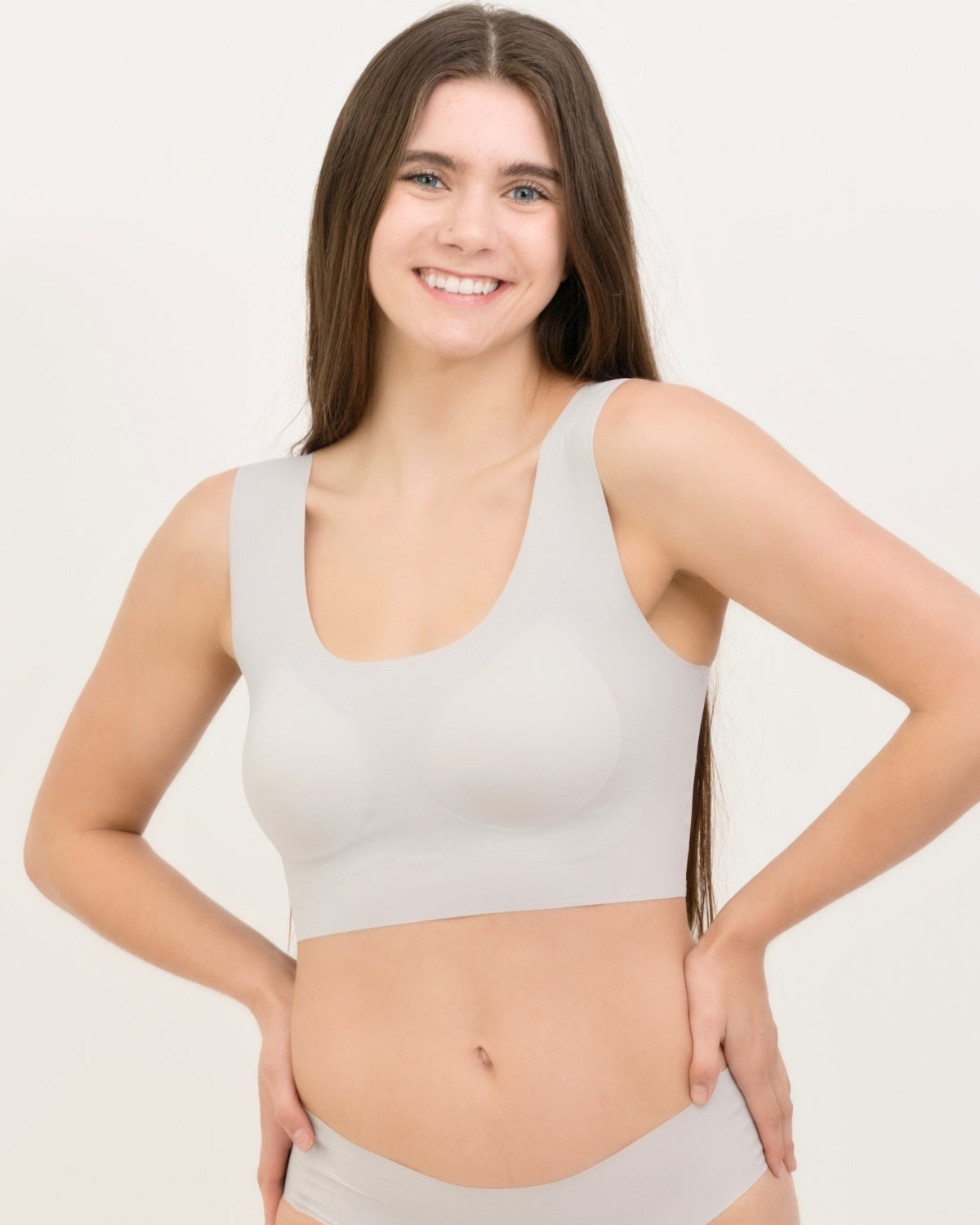
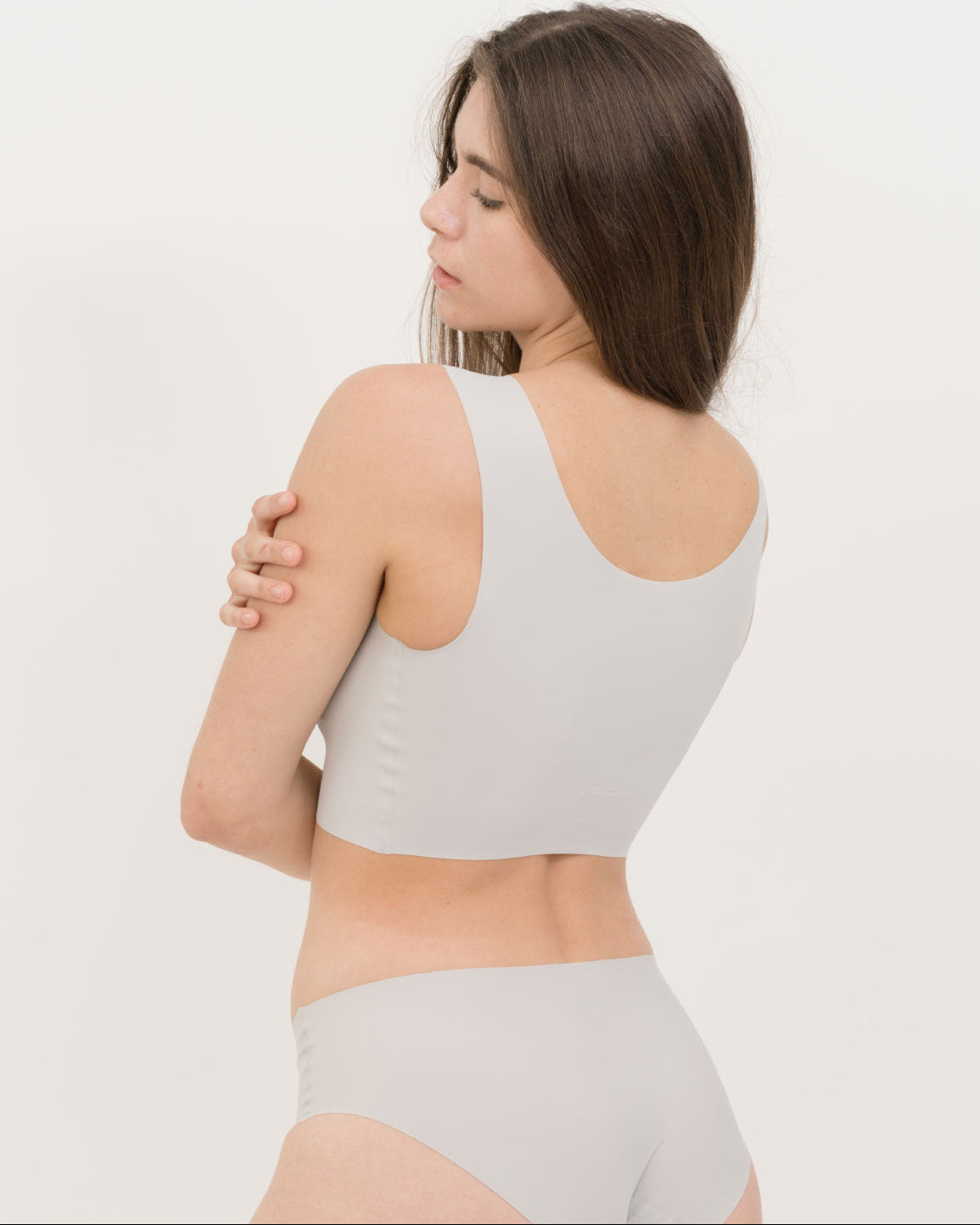
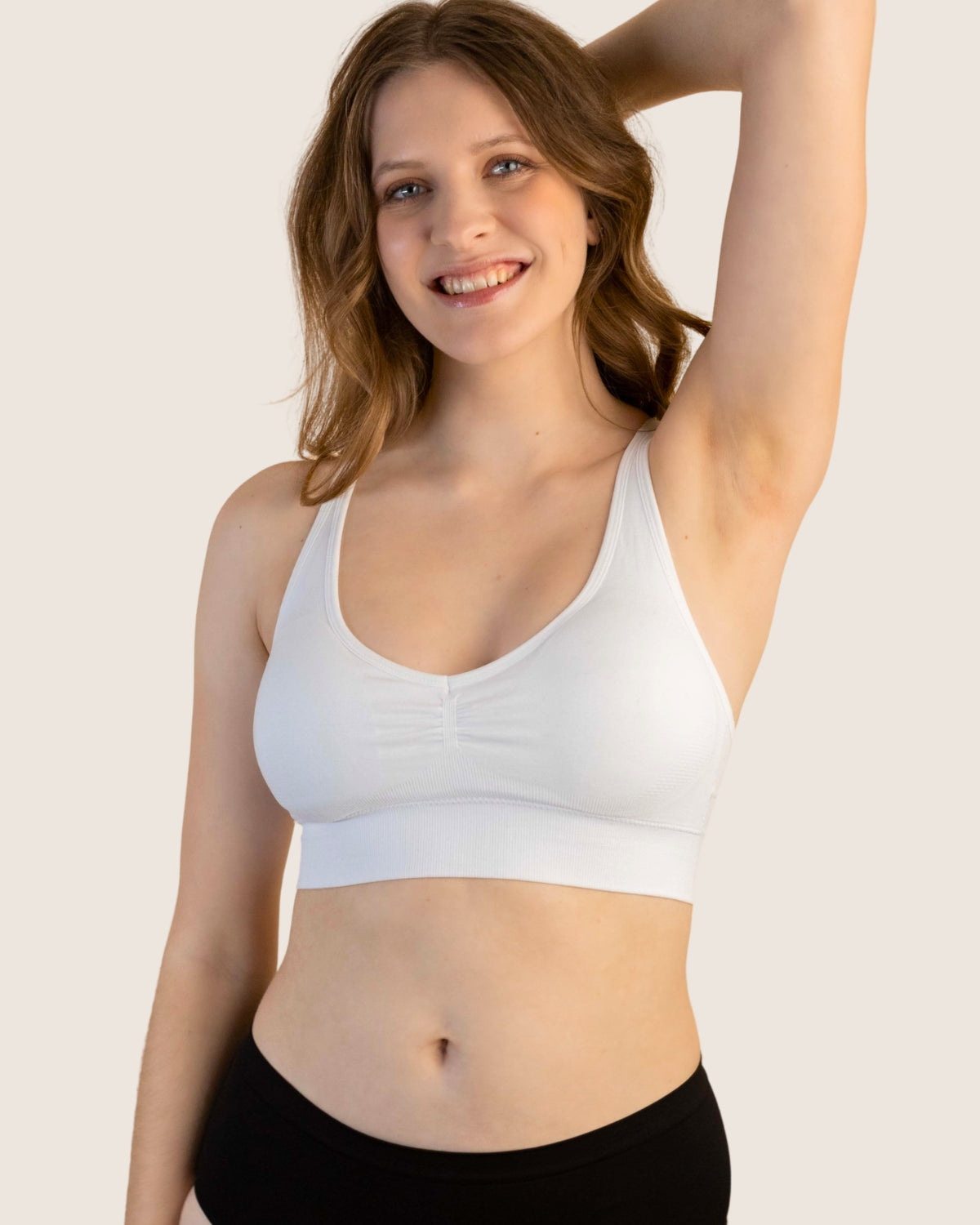
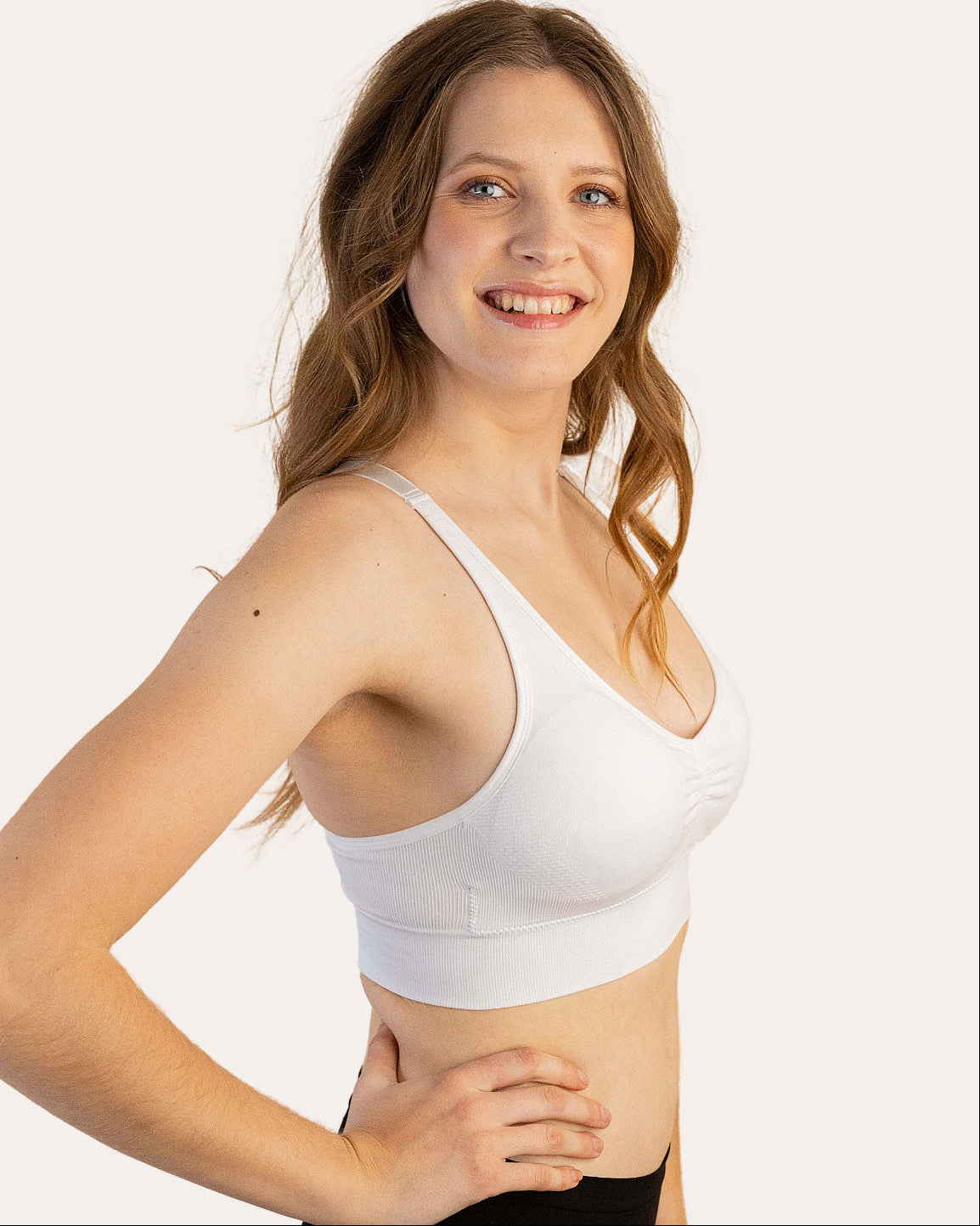
This is where thoughtfully designed comfort bras can make a real difference. Seamless bras with four-way stretch and soft, adaptive support—like those designed at Coobie—are created to work with your shape rather than force it into a fixed silhouette. By relying on a supportive band and flexible neckline instead of stiff cup structure, these styles naturally reduce gaping without the need to size down or constantly readjust.
The Takeaway
Bra gaping at the top isn’t a flaw in your body; it’s feedback from the bra. When a design lacks the right depth, flexibility, or neckline shape for you, gaps are almost inevitable. Choosing bras that adapt to your body—not the other way around—can make all the difference in achieving a smooth, comfortable fit that feels right all day.





Leave a comment
This site is protected by hCaptcha and the hCaptcha Privacy Policy and Terms of Service apply.