

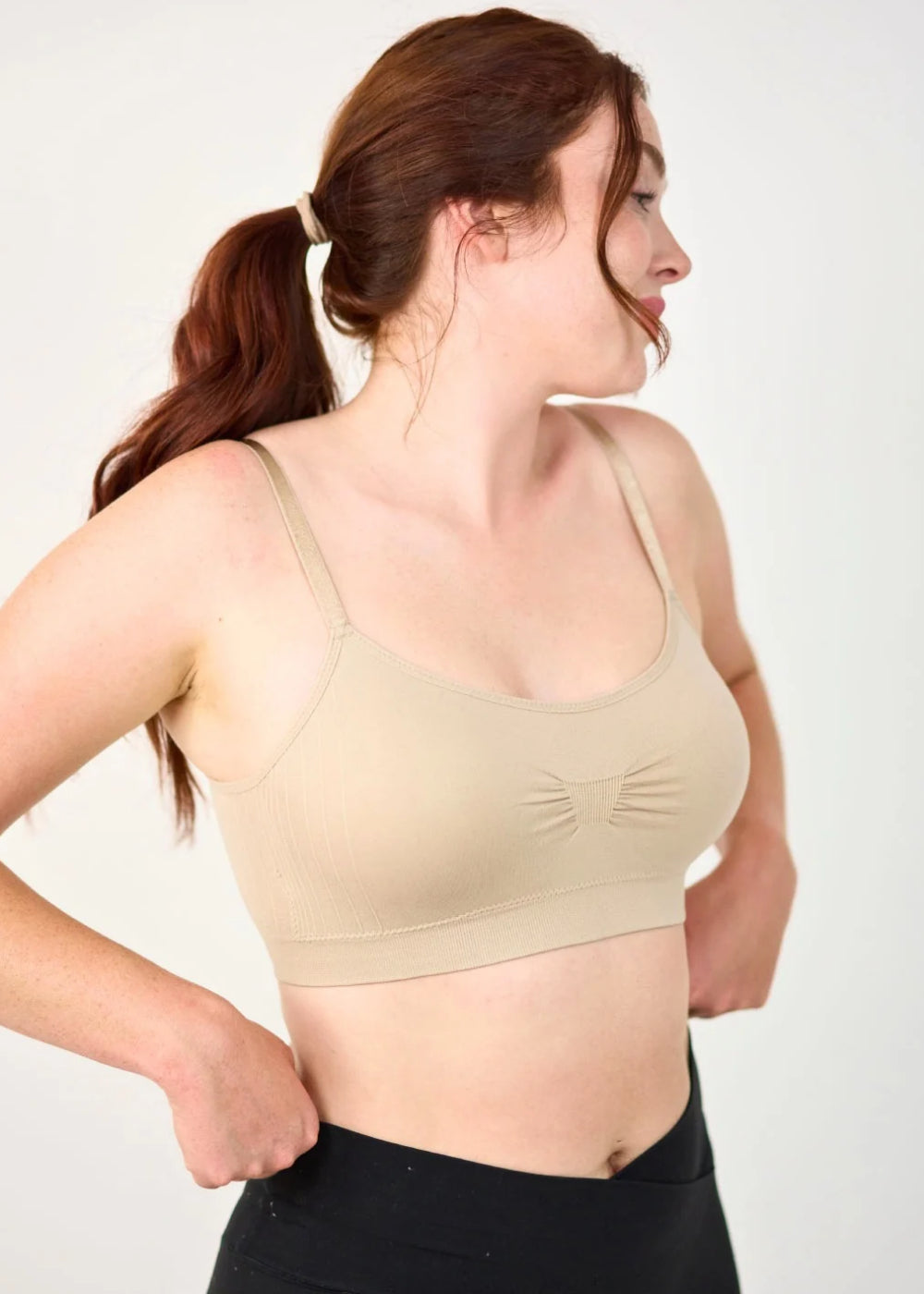
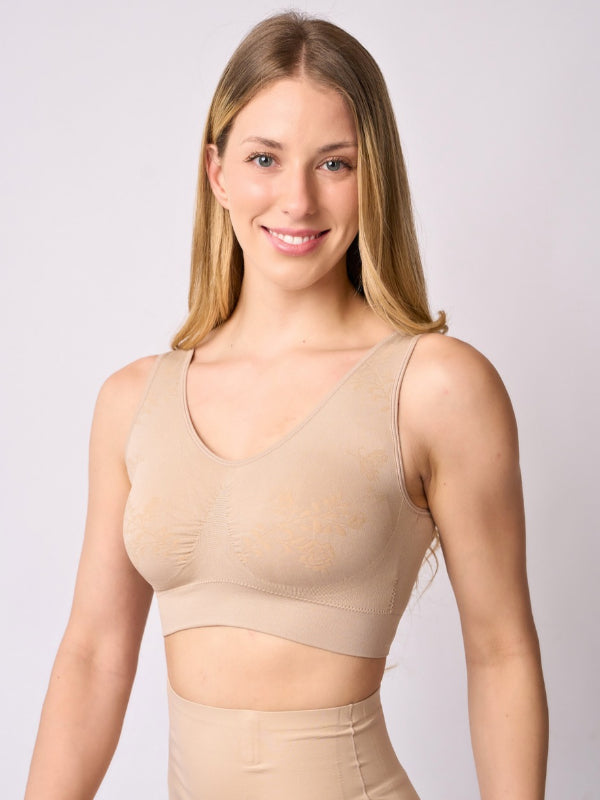
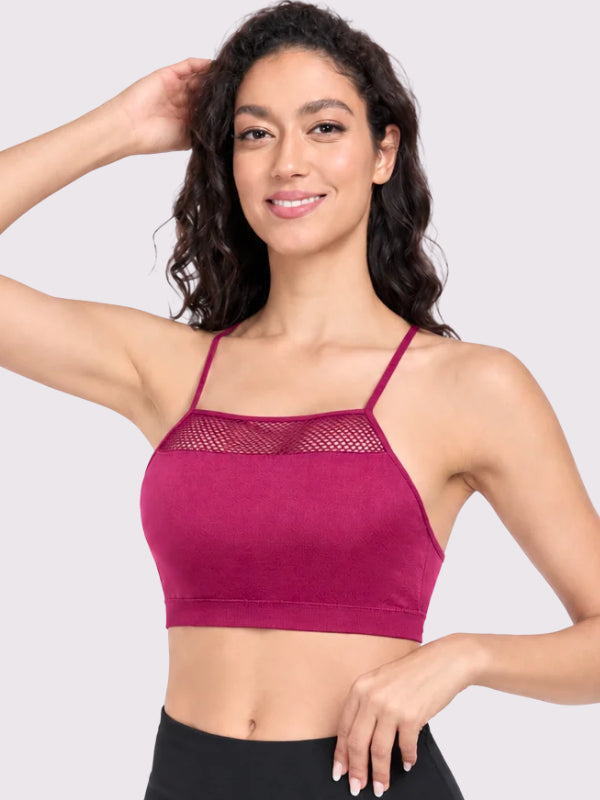

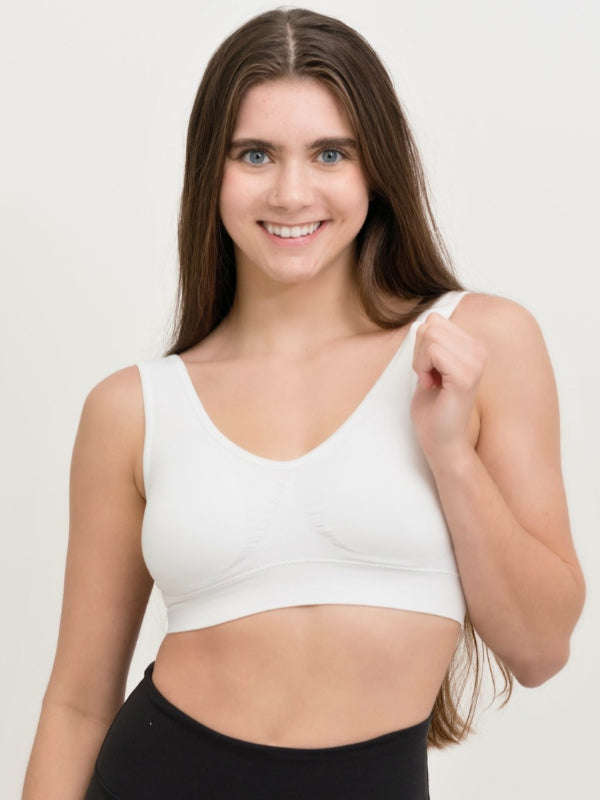
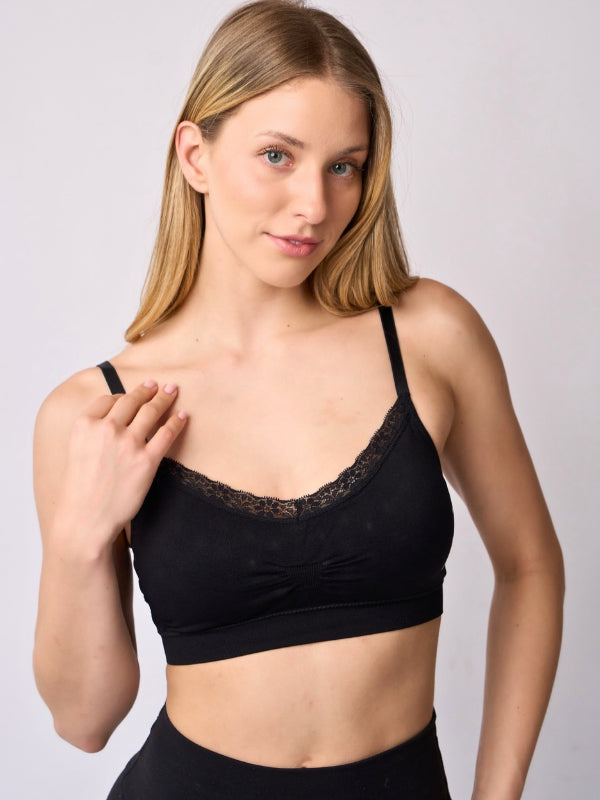

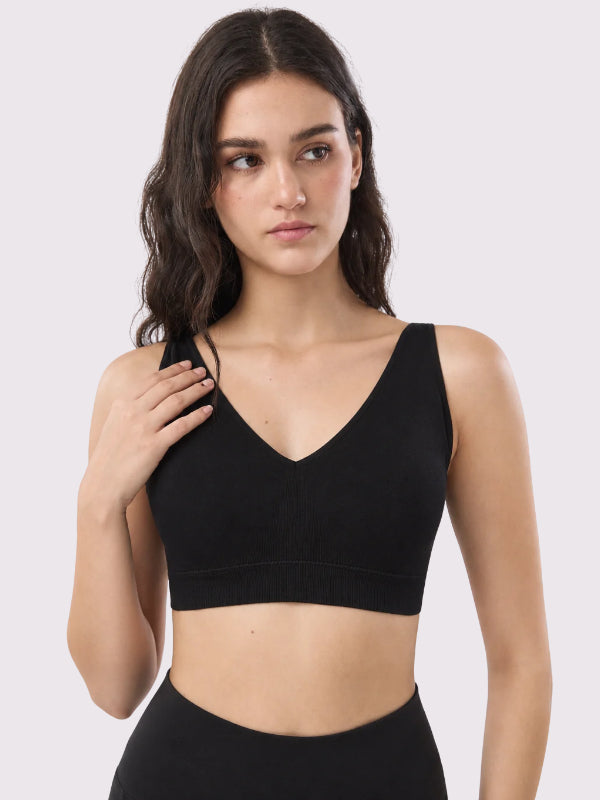
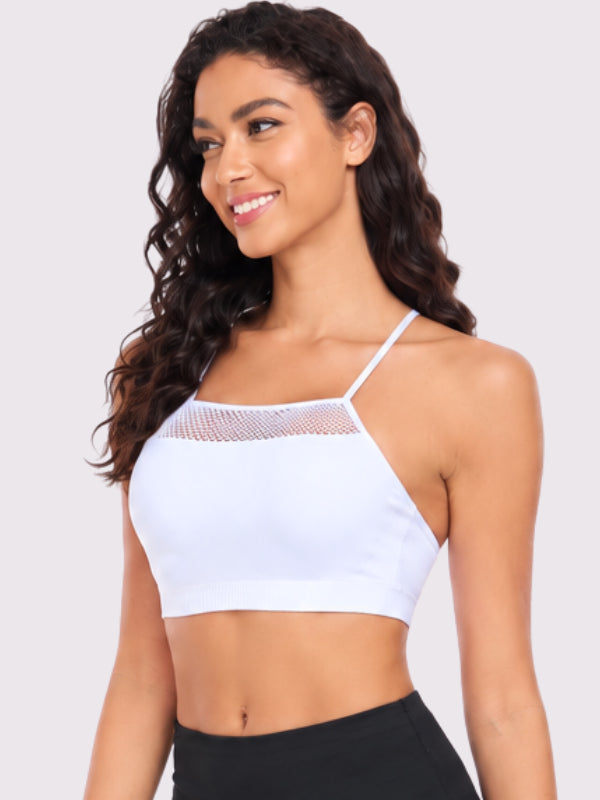
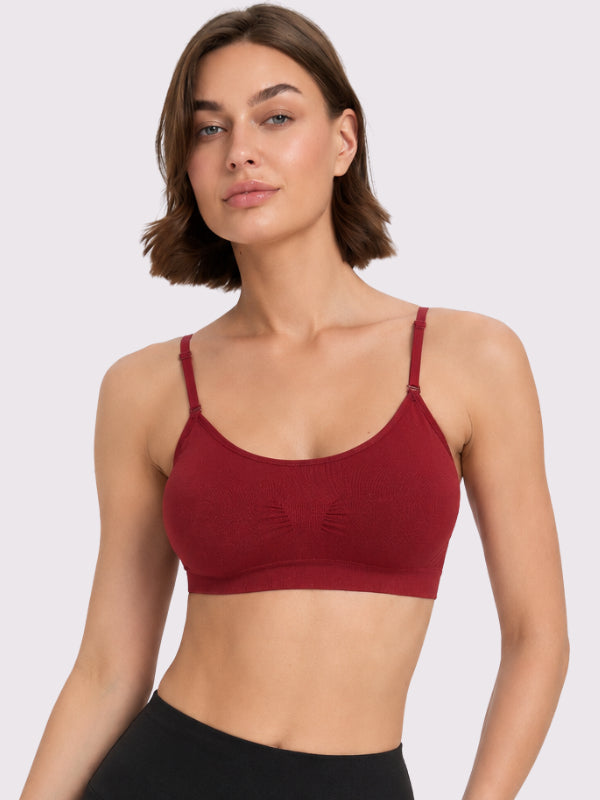
You've worked hard to get here, whether it was a change in lifestyle, a new medication, or a long stretch of steady habits. Then you get dressed and notice something unexpected: the bras that fit perfectly last spring now gap, slide, and dig in all the wrong places.
If that sounds familiar, you're not imagining it, and nothing is "wrong" with you. Bodies change shape when weight changes, and bras need to change with them. Here's what's going on, and how to find support that feels good again.
What actually happens to your bust
Breast tissue is made up of glandular tissue, connective tissue, and a good amount of fat. When overall body fat drops, the bust often loses some of its volume too. Many women notice the change most at the top of the breast, which can leave the upper cup looking soft or empty.
Skin and connective tissue also play a part. They stretch to accommodate a larger shape, and they don't always tighten back up at the same pace you lose weight. The result is a bust that can sit lower, feel softer, and look different from side to side. This is a very common, very normal outcome, and it varies a lot from person to person.
The takeaway: your old bra was designed around your old shape. It's time for a fresh start, not a flaw to fix.

Start with the band, not the cup
Most of a bra's support comes from the band, which is why this is the first thing to check. After weight loss, your ribcage measurement usually shrinks, and a band that's too loose will ride up your back and push the work onto your straps. That's when shoulders start to ache and cups never quite stay in place.
A well-fitting band should:
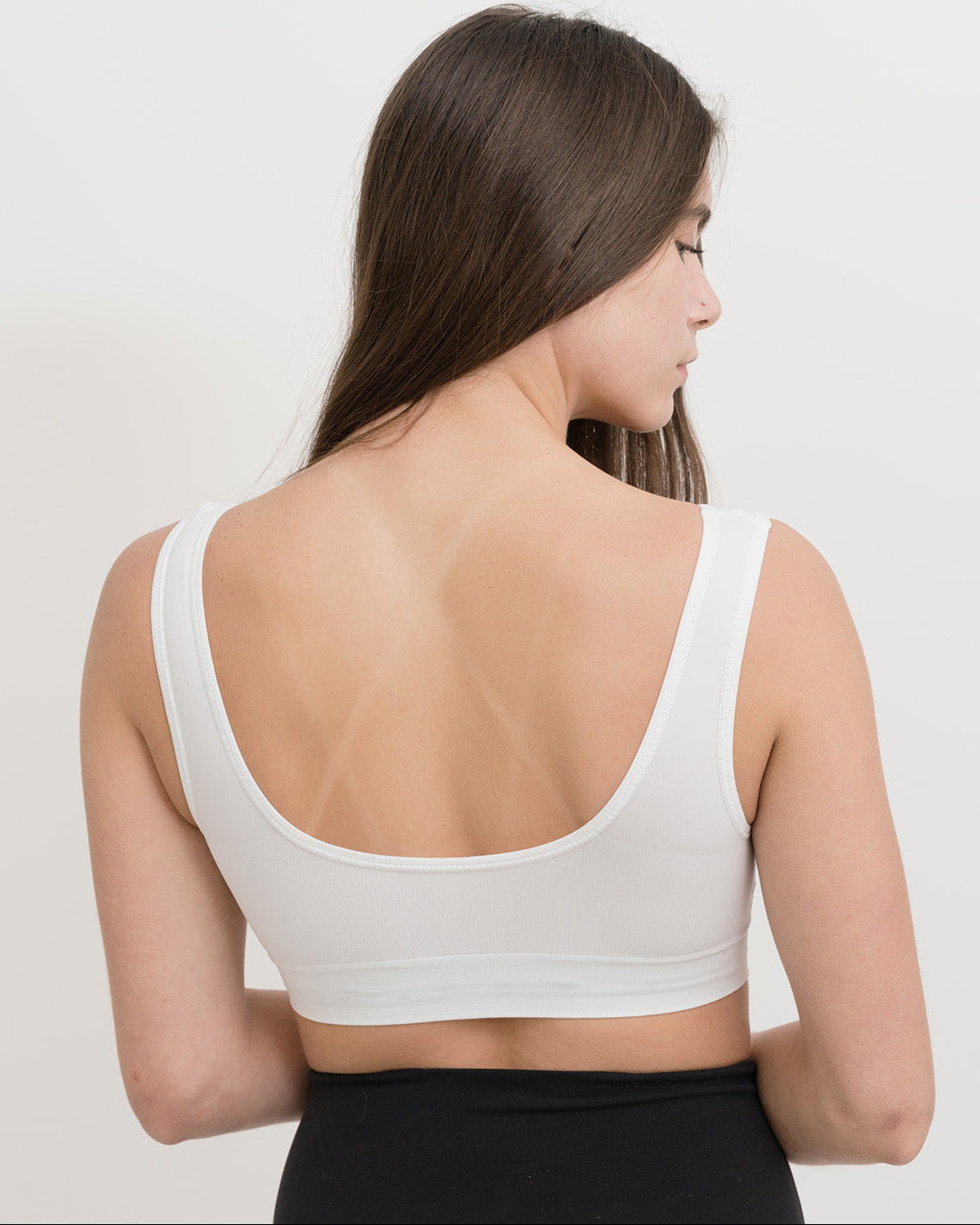
●Sit level across your back, not creeping upward
●Feel snug but comfortable, with room for two fingers underneath
●Still hold you securely when fastened on the loosest hook, so you have room to tighten it as the bra stretches over time
If you're between sizes, try going down a band size and up a cup size. This is called a sister size, and it keeps your cup volume about the same on a more secure band.
Features that help when your shape is softer
You don't need a dramatic bra to feel supported. A few thoughtful details do most of the work:
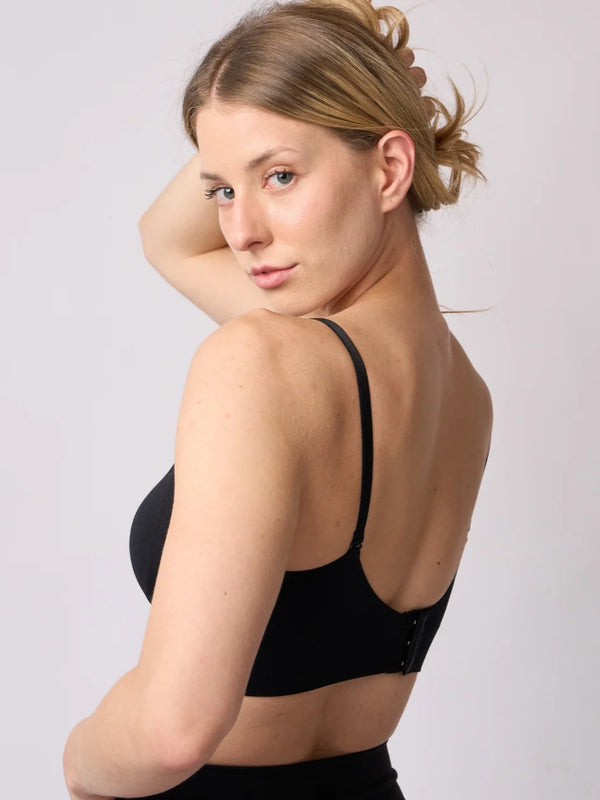
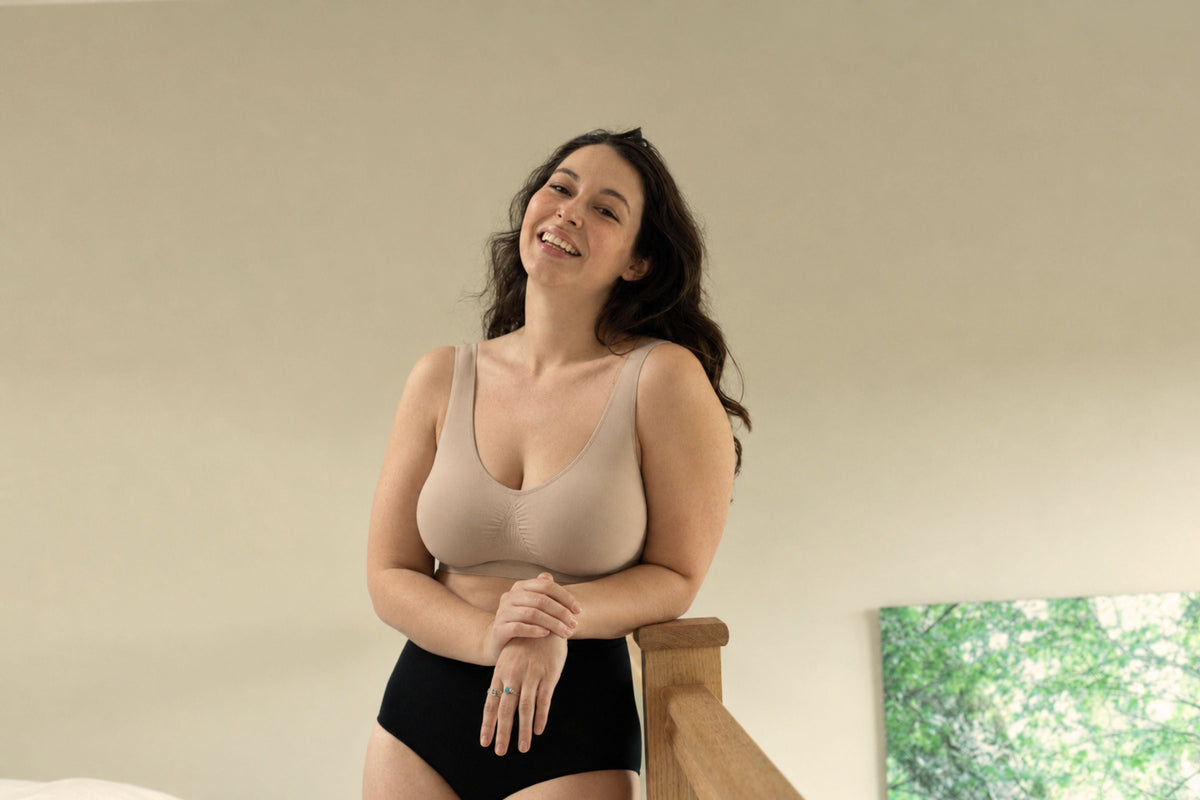
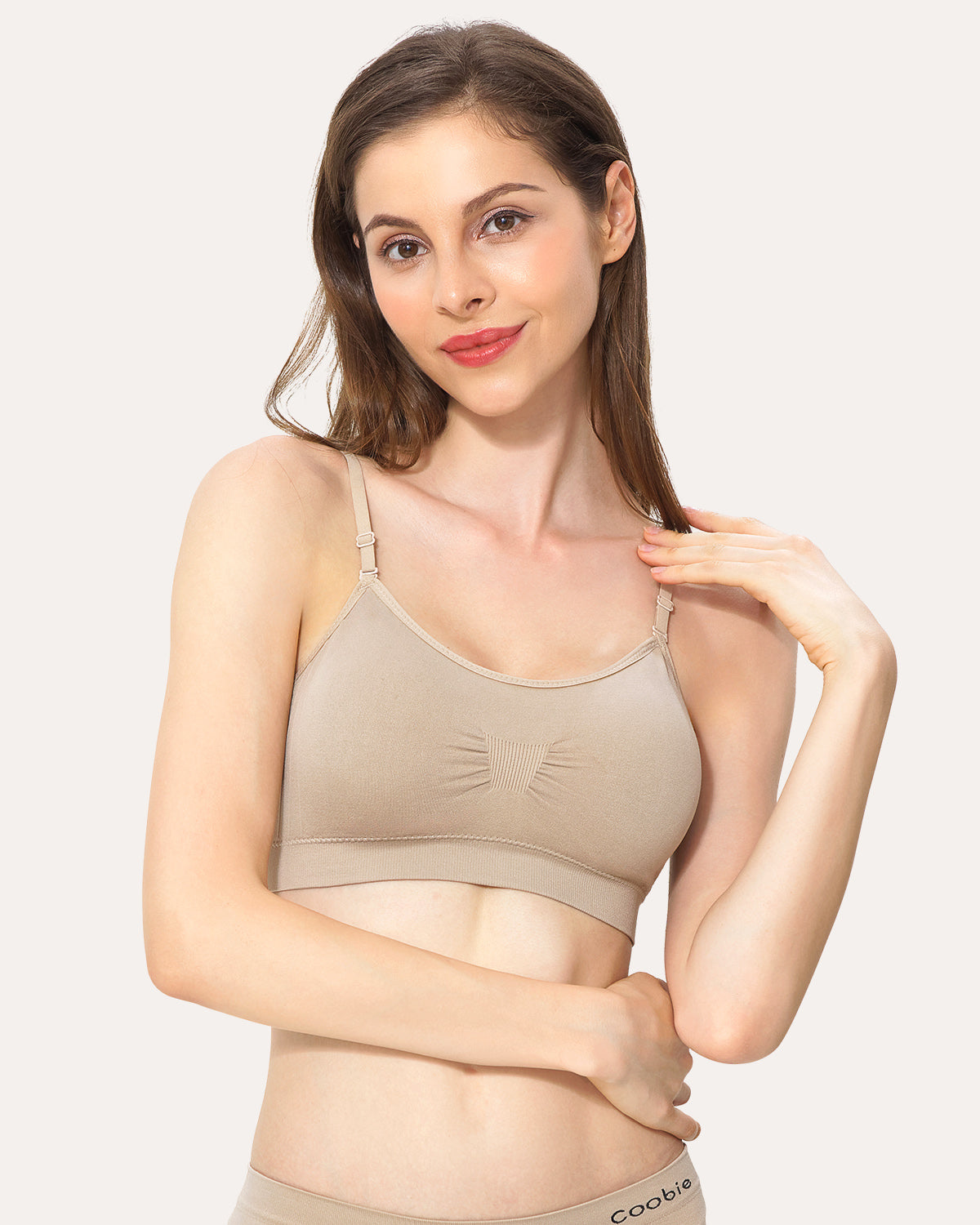
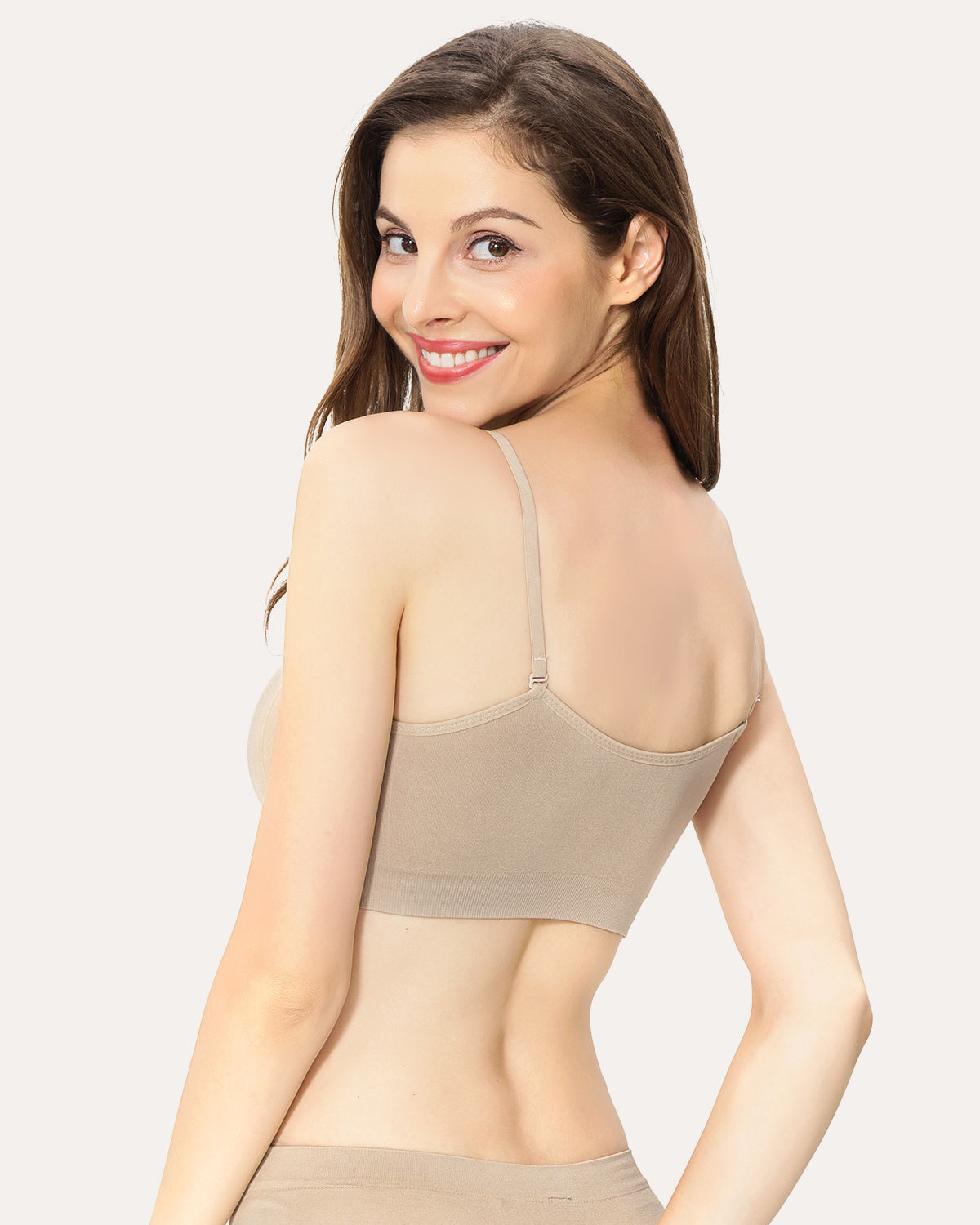
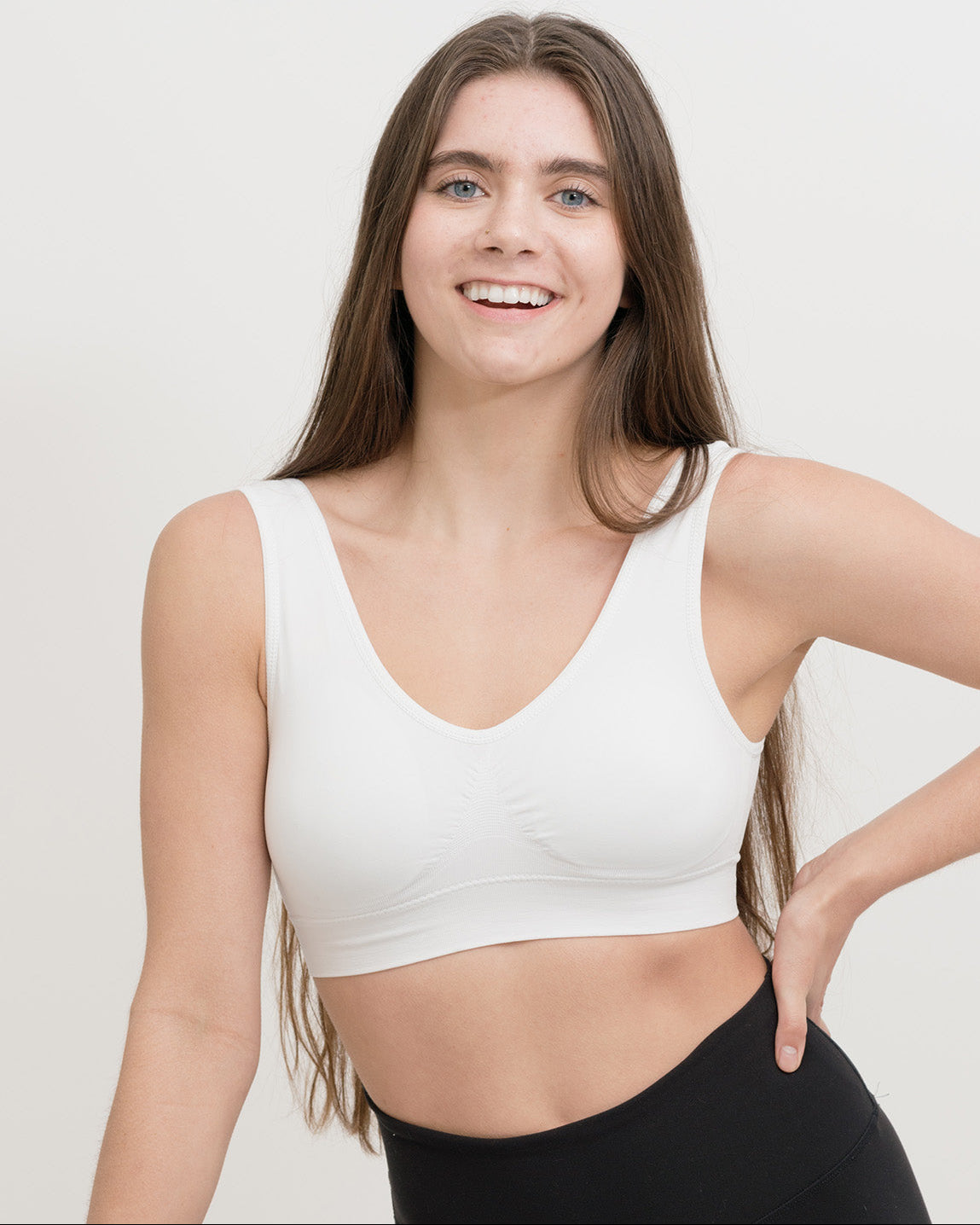
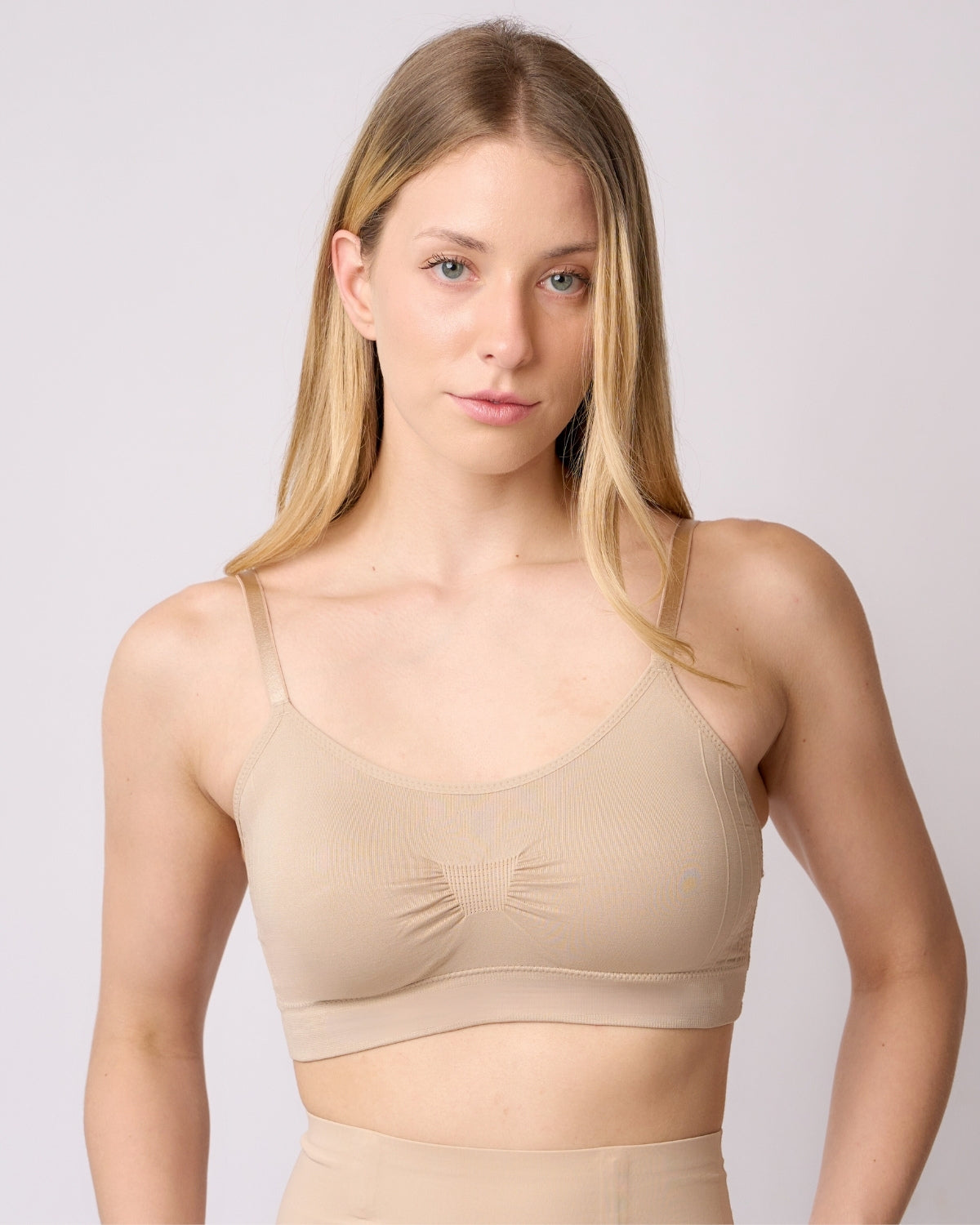
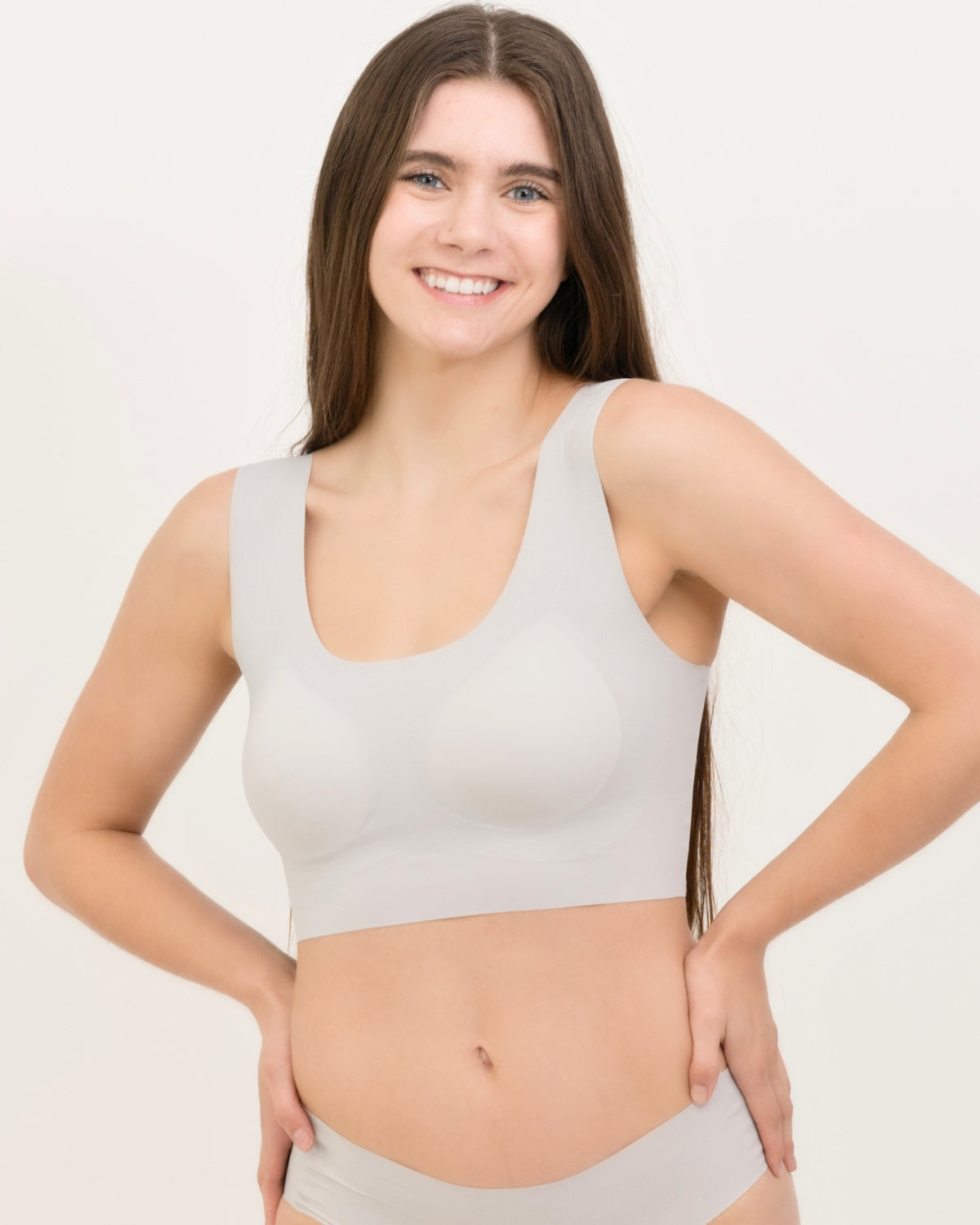
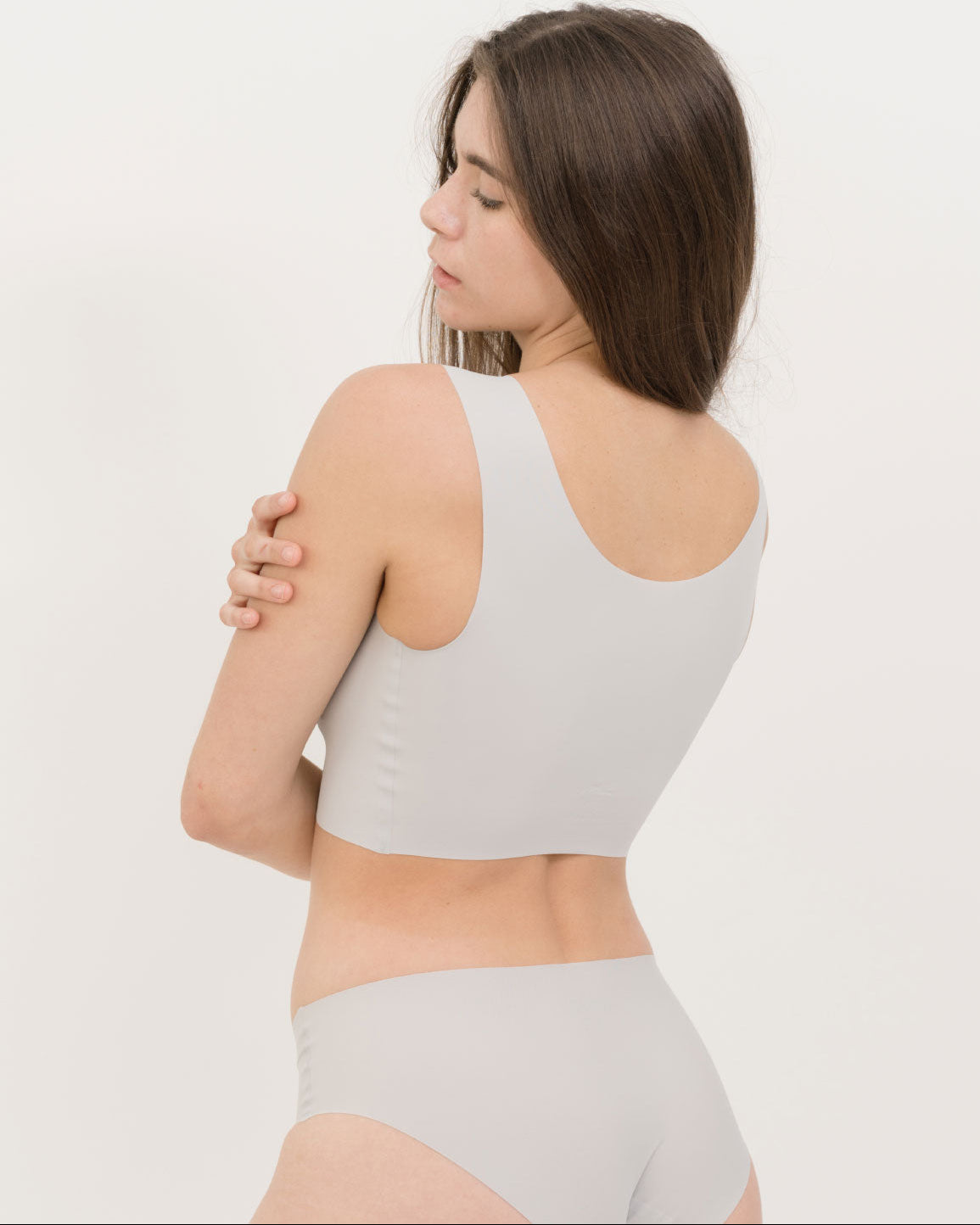
●Seamless, contoured cups. Smooth, molded cups hold their shape on their own, so they fill out the top and don't collapse where volume has changed. They're also invisible under fitted tops.
●Full or generous coverage. Cups that gently hold all of your tissue help prevent spillover at the top and sides, and give a rounder, more even silhouette.
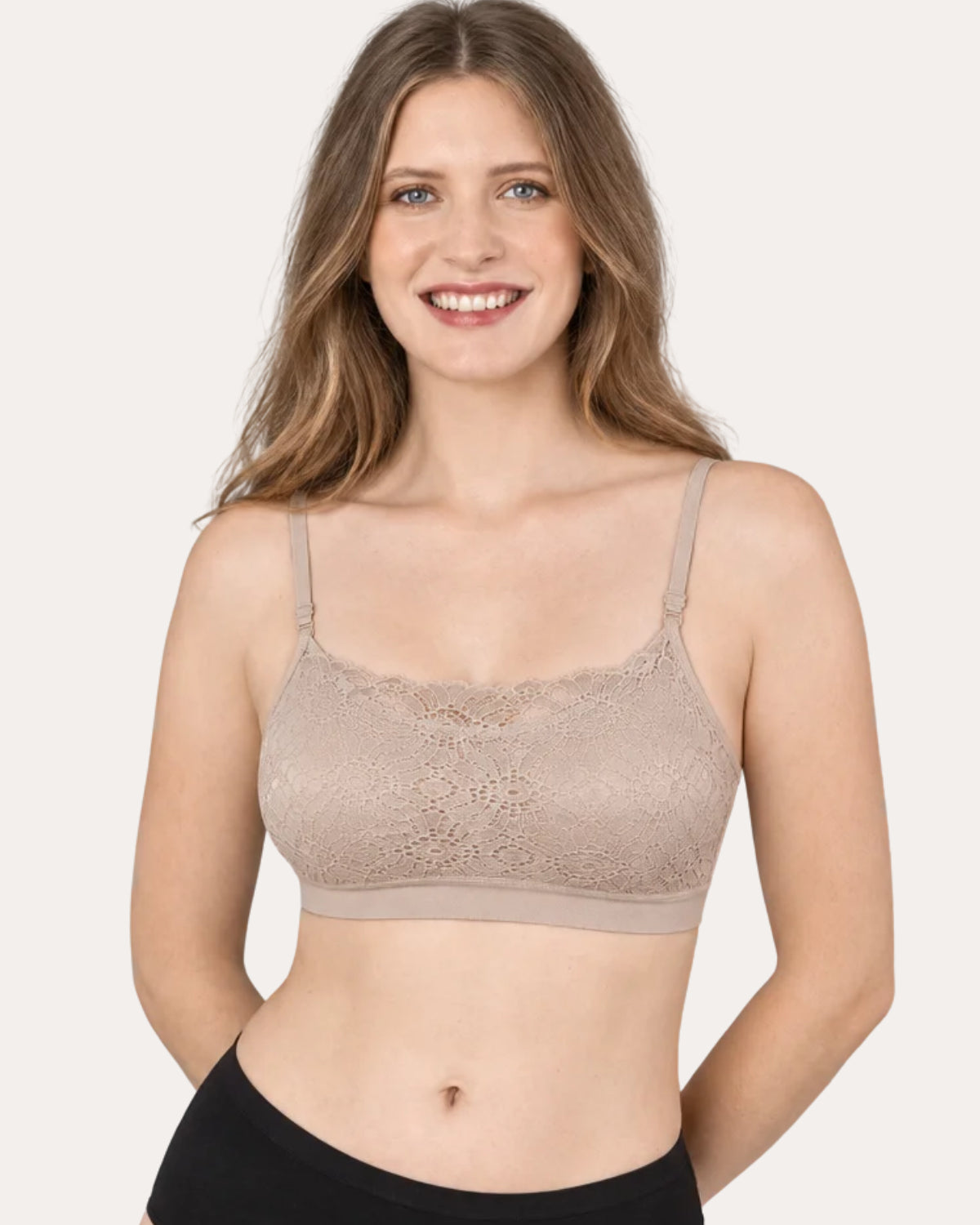
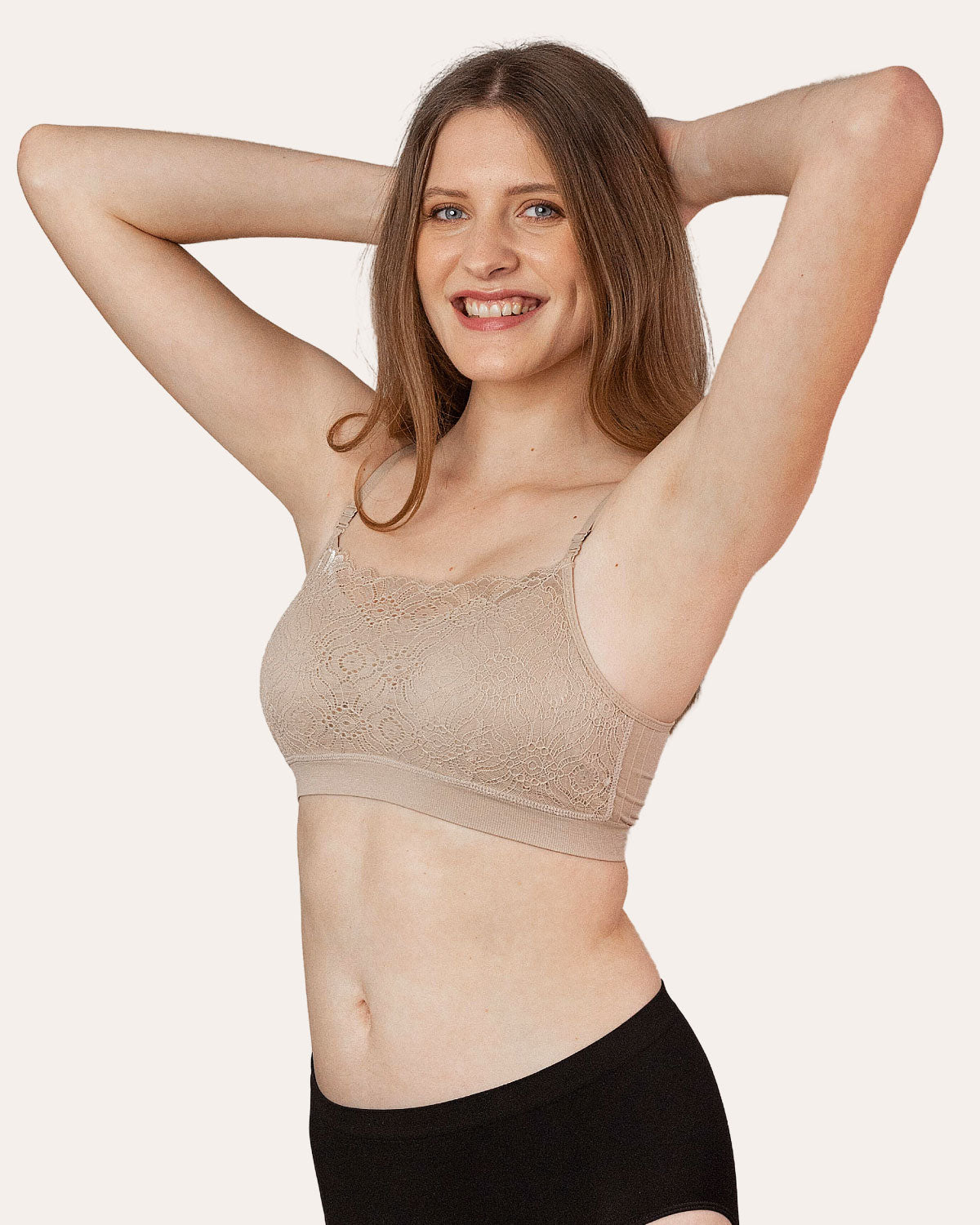
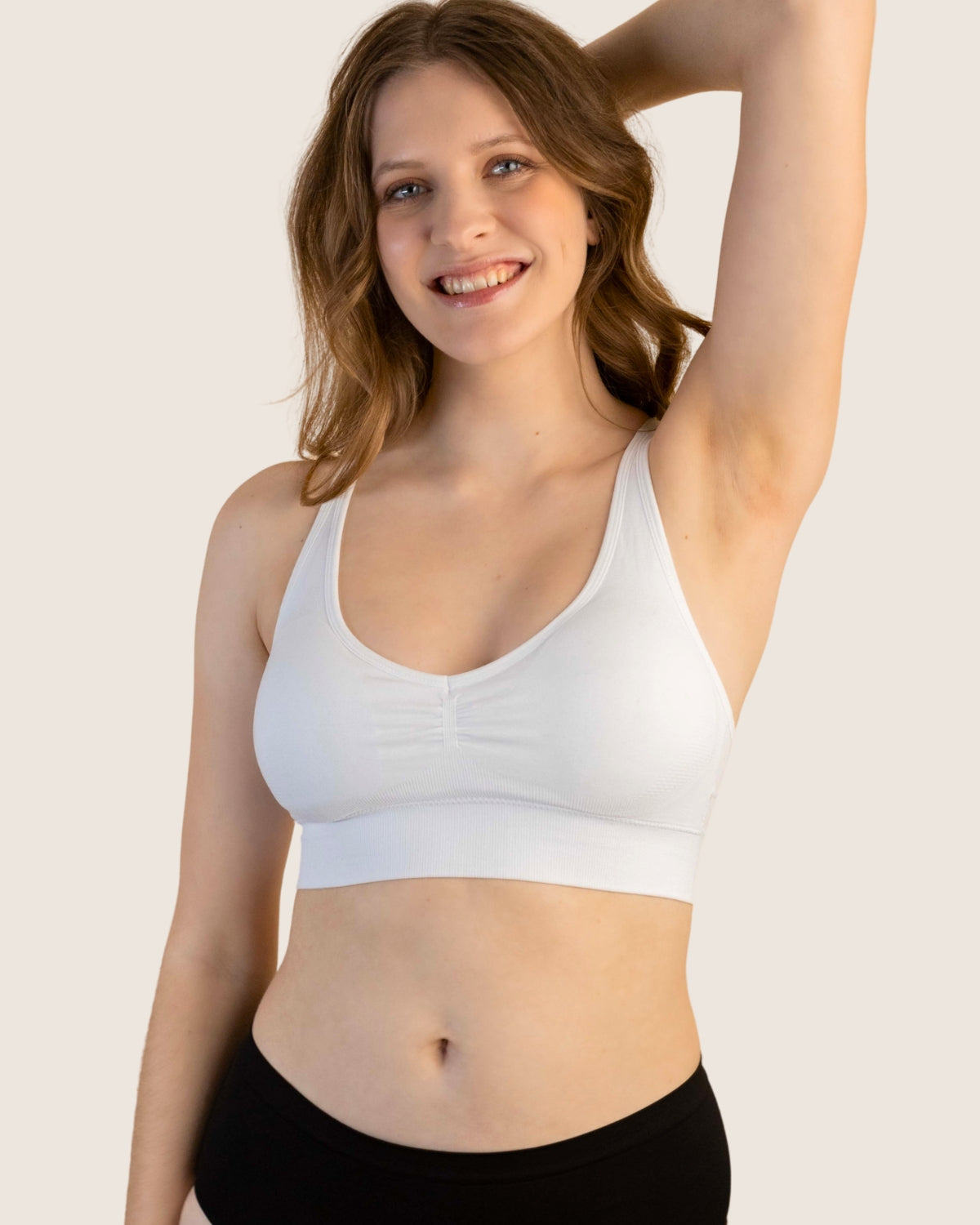
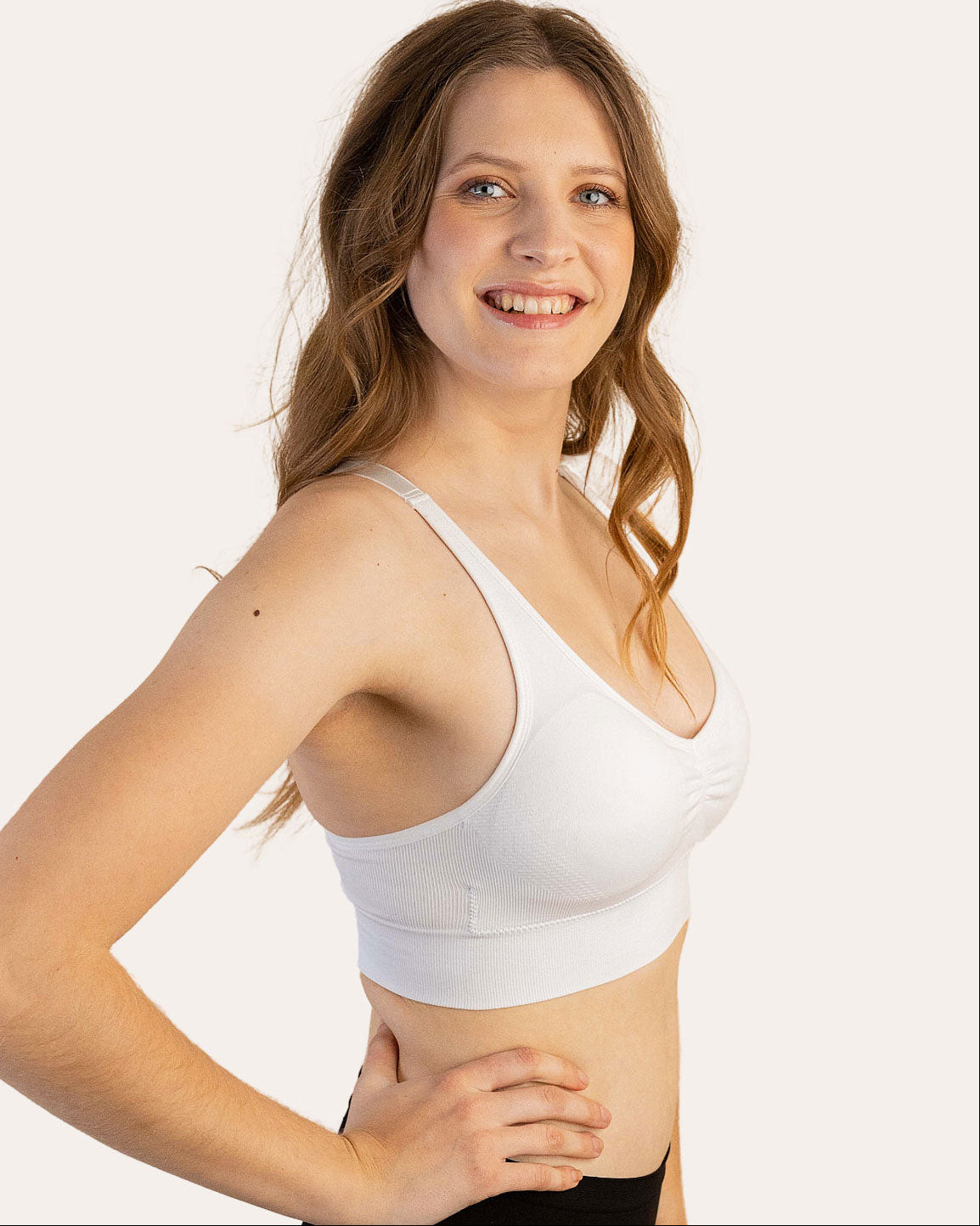
●Wide, stretchy straps. Broader straps spread weight across your shoulders so nothing digs in, and adjustable ones let you fine-tune your lift.
●A flat center panel. The piece between the cups should rest comfortably against your breastbone. If it floats away from your body, the cups are usually too large.
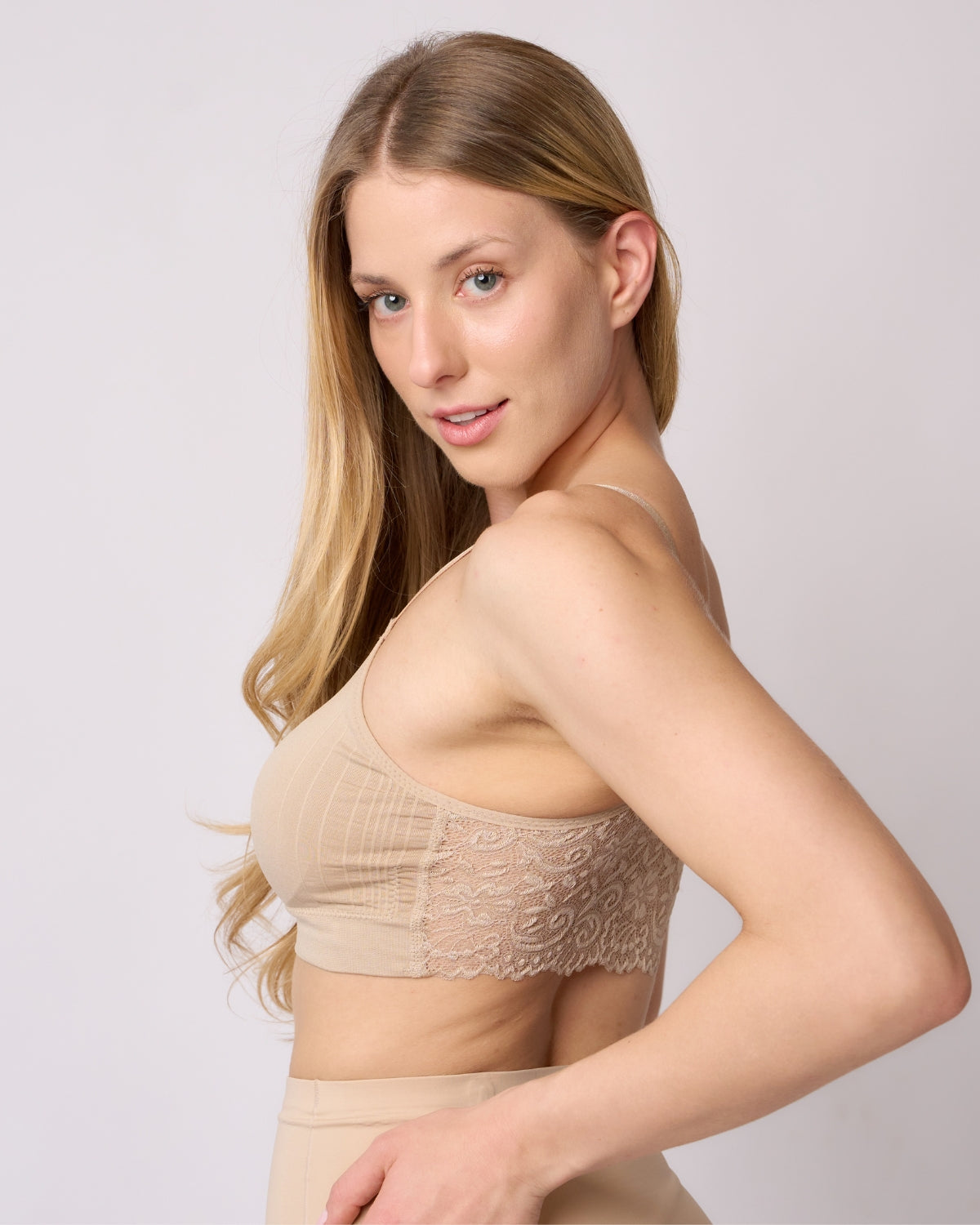
●Gentle side support. A little shaping at the sides keeps tissue forward and smooth, which also helps prevent that rolled-over look under your arms.
Wireless or underwire?
Both can work well. Wireless styles are a great choice for all-day comfort, especially if your body is still changing and a wire that fit last month now sits in the wrong place. The key is that the band and cups need to be structured enough to provide the lift the wire would otherwise give.
If you love the lift and shape of underwire, choose one with a soft, flexible wire and make sure it rests on your ribcage rather than on breast tissue. Many women find a comfortable wireless bra for everyday and keep an underwire or push-up style for outfits that call for it.
How to measure again at home
Grab a soft measuring tape and a mirror. It takes about two minutes.
●Band: Wrap the tape snugly around your ribcage, directly under your bust. Keep it level and parallel to the floor.
●Bust: Measure around the fullest part of your chest, keeping the tape comfortably loose.
●Compare: The difference between the two numbers helps estimate your cup size. Roughly, each inch equals one cup size.
●Test the fit: Put on a bra in your estimated size and check that the band is level, the cups are smooth, and the straps aren't doing all the work.
Measurements are a starting point, not a final answer. Brands fit differently, so trust how the bra feels on you as much as the number on the tag.
Quick fixes for common fit problems
●Cups wrinkle or gap at the top: The cup is too big. Try a smaller size or a molded, seamless cup that holds its shape.
●Band rides up in the back: The band is too loose. Go down a band size, and up a cup size if needed.
●Straps slip or dig in: Check the band first, then adjust the straps. A wider strap can also help.
●Center panel floats: The cups are probably too large or deep. Try a smaller cup or a style with a lower center.
●Tissue spills at the sides: Look for a fuller-coverage cup or a bra with side support.
A final note
Your body has been through a lot, and it deserves comfort that feels effortless. The right bra shouldn't be something you tug at all day. It should disappear under your clothes and leave you feeling supported and like yourself.





Leave a comment
This site is protected by hCaptcha and the hCaptcha Privacy Policy and Terms of Service apply.